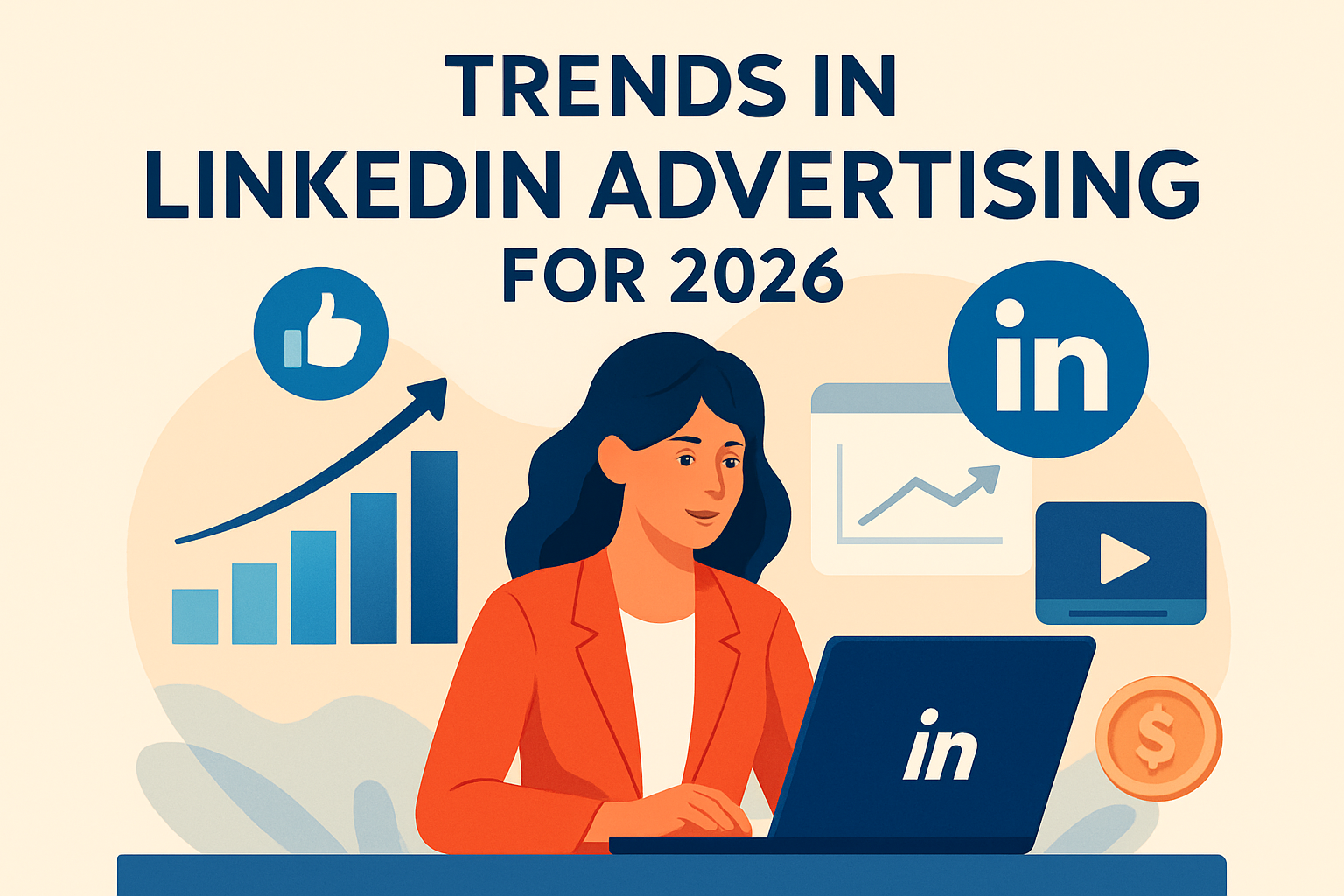
In the ever-evolving landscape of digital marketing, LinkedIn has emerged as a powerful platform for B2B advertisers and professionals seeking to engage with a highly targeted audience. In 2026, LinkedIn continues to evolve, leveraging new technologies and trends to provide advertisers with more effective tools for reaching their desired audience. Establishing a presence on LinkedIn is not just about networking but about leveraging its advertising capabilities to boost brand visibility and connect with decision-makers. This article explores the significant trends shaping LinkedIn advertising in the year 2026, illustrating how brands can harness these developments to optimize their marketing strategies.
Understanding the nuances of LinkedIn advertising is crucial in an era where digital marketing strategies must be both innovative and strategic. Being a professional network by design, LinkedIn offers unique opportunities for targeted advertising, enabling marketers to deliver tailored content that resonates with their specific audience. As we navigate through 2026, the importance of these ad campaigns becomes clear: they are not just about increasing visibility but about creating meaningful, lasting professional relationships. This makes it essential for marketers to stay informed about current trends, allowing them to continually refine their approaches and maintain a competitive edge.
The Rise of AI and Automation in LinkedIn Advertising
Artificial Intelligence (AI) and automation have become integral components of digital marketing, and LinkedIn is no exception. In 2025-2026, LinkedIn advertising is increasingly leveraging AI to optimize ad targeting and delivery. AI technologies analyze vast amounts of data to predict user behavior and preferences, allowing marketers to personalize ads efficiently. This trend enhances the precision of ads, ensuring they reach the most relevant audience segments based on insights drawn from users\’ profiles and interactions on the platform.
A real-world example of AI in action on LinkedIn is its ability to suggest optimized content formats and timings for different user groups. For instance, a company looking to promote a webinar can rely on AI tools within LinkedIn to identify the optimal time to post and the format (such as video, image, or text) that resonates well with its target demographic. This adoption of AI not only saves time but also maximizes the return on investment (ROI) by enhancing engagement rates.
Enhanced Video Content and Interactive Ads
Video content continues to dominate LinkedIn, with 2026 seeing an increased emphasis on interactive videos and live streaming as advertising tools. Videos have the power to convey messages quickly and dynamically, making them a favorite among advertisers. The trend towards interactive ads—where viewers are prompted to engage directly with content—has gained traction, providing users with richer, more engaging experiences.
For example, a technology firm might use interactive video ads to showcase its latest software features, allowing viewers to click on various elements within the video to learn more about specific functionalities. This kind of interactivity not only keeps the audience engaged but also provides businesses with valuable insights into what aspects of their product generate the most interest. Furthermore, LinkedIn\’s support for live streaming is enabling companies to conduct real-time product demos and Q&A sessions, fostering an environment of immediate engagement and feedback.
Leveraging Influencer Partnerships
Influencer marketing is no longer confined to platforms like Instagram and YouTube. In 2025-2026, LinkedIn sees a surge in influencer collaborations, especially within industries like technology, finance, and healthcare. These partnerships allow brands to capitalize on the credibility and reach of professionals who have established themselves as thought leaders in their respective fields.
Consider a financial consultancy firm partnering with a well-known finance expert who regularly engages with their audience on LinkedIn. The consultancy could leverage this partnership by featuring the influencer in their ad campaigns, thereby enhancing their credibility and extending their reach to a broader audience. Studies indicate that audiences are more likely to trust products or services recommended by individuals they view as experts, thus increasing lead conversions.
| Trend | Percentage of Marketers Utilizing | Key Benefit |
|---|---|---|
| AI and Automation | 82% | Increased ad precision |
| Video Content | 65% | Higher engagement rates |
| Influencer Partnerships | 70% | Enhanced brand credibility |
Increasing Importance of Analytics and Insights
Data-driven decision-making is becoming increasingly pivotal in the realm of LinkedIn advertising. By 2026, the platform has expanded its analytics capabilities, providing advertisers with deeper insights into campaign performance and audience behavior. These analytics tools enable marketers to continually refine their strategies based on real-time data, ensuring that they remain responsive to evolving market trends and user preferences.
An example of this trend can be seen in LinkedIn’s robust analytics dashboard, which offers metrics such as click-through rates, conversion metrics, and audience demographics. A company running a campaign can utilize this data to determine which types of content and messaging resonate best with their audience, allowing for ongoing optimization and refinement. Such insights empower marketers to not only enhance current campaigns but also to forecast future trends and adapt ahead of the competition.
The Expansion of Account-Based Marketing Strategies
Account-Based Marketing (ABM) is becoming more sophisticated on LinkedIn as companies focus on targeting specific high-value accounts with personalized strategies. By 2026, this approach has gained momentum, as LinkedIn provides enhanced targeting tools that allow advertisers to zero in on key accounts, customizing messaging and content specifically for those businesses.
For instance, a software company targeting large enterprises may use LinkedIn’s ABM tools to identify key stakeholders within an organization and deliver tailored ads that speak directly to the unique challenges and needs of that company. This personalized approach not only increases the likelihood of engagement but also improves the chances of conversion by addressing the specific pain points of the target accounts.
Conclusion
In summarizing the trends in LinkedIn advertising for 2026, it is clear that technology, data, and personalization are at the forefront of successful strategies. The rise of AI and automation streamlines and enhances ad precision, while video content and influencer partnerships offer dynamic ways to engage audiences. The growing importance of analytics ensures that marketers can adapt in real-time, while the focus on account-based marketing strategies allows for deeper, more meaningful interactions with target accounts.
For marketers seeking to thrive on LinkedIn, staying abreast of these trends is paramount. Understanding and leveraging these advancements can result in increased efficiency, greater reach, and enhanced brand trust. As a call to action, professionals should prioritize incorporating these strategies into their marketing plans. Keeping pace with these developments promises not only a robust online presence but also a significant competitive advantage in the ever-evolving digital marketing landscape.
Frequently Asked Questions
1. What new technologies are influencing LinkedIn advertising in 2026?
In 2026, LinkedIn is significantly influenced by advancements in artificial intelligence and machine learning technologies, which are enhancing its advertising capabilities. These technologies power sophisticated targeting algorithms, allowing advertisers to reach their ideal audiences more precisely than ever before. AI-driven analytics provide deeper insights into user behavior and ad performance, enabling advertisers to fine-tune their strategies with high precision.
More advanced AI chatbots are increasingly being integrated into advertising strategies, offering personalized experiences and fostering engagement through dynamic interactions. Additionally, LinkedIn has embraced virtual reality (VR) and augmented reality (AR) technologies, allowing marketers to create immersive ad experiences, engaging users in innovative ways. This creates more opportunities for storytelling and deeper audience interaction, revolutionizing how brands communicate and connect with professionals on the platform.
2. How has the focus on user privacy impacted LinkedIn advertising strategies?
With global attention centered on user privacy and data protection, LinkedIn in 2026 has strengthened its focus on ensuring that advertisers adopt privacy-friendly practices. New privacy regulations have been implemented, requiring advertisers to obtain explicit user consent for data collection and offering users greater control over their personal information.
As a result, LinkedIn advertisers are prioritizing transparency in their engagements, focusing on building trust with their audience. First-party data, collected directly and consensually from users, has become the cornerstone of effective advertising strategies. This shift has prompted marketers to innovate in data collection methods, leveraging surveys, direct responses, and engagement metrics to generate actionable insights while maintaining user trust and adhering to privacy guidelines.
3. What role does content play in LinkedIn advertising in 2026?
Content remains a cornerstone of successful LinkedIn advertising strategies in 2026. However, the type of content and how it is delivered has evolved. Advertisers are now focused on creating hyper-personalized and visually engaging content to capture the attention of their busy audience. Interactive content, such as polls, quizzes, and live events, continues to gain popularity, driving more direct engagement and interaction.
Long-form content, such as insightful articles and in-depth case studies, holds significant value, as LinkedIn’s professional audience seeks informative and authoritative resources. Advertisers that provide value through educational content can establish themselves as thought leaders, cultivating trust and brand loyalty. Video content also sees increased adoption, with stories and short video clips becoming vital tools for conveying messages effectively and engagingly.
4. How are LinkedIn\’s advertising tools evolving to benefit advertisers?
By 2026, LinkedIn has significantly expanded and refined its suite of advertising tools, offering unparalleled assistance to marketers. The platform now provides advanced predictive analytics powered by machine learning, granting advertisers the ability to anticipate market trends and user engagement patterns. These insights allow for more responsive and effective ad strategies.
Moreover, LinkedIn\’s enhanced targeting capabilities enable advertisers to create micro-segmentation within their audiences, focusing on highly specific professional demographics, job roles, industries, and even user behaviors. Automation tools have become more sophisticated, simplifying ad campaign management and optimization. These tools allow for real-time adjustments to ad visuals, copy, and targeting, driving better performance with minimal manual intervention.
5. How important is the integration of influencer marketing in LinkedIn advertising in 2026?
Influencer marketing has become an indispensable component of LinkedIn advertising strategies in 2026. As professionals and B2B buyers increasingly seek recommendations from peers and industry leaders, collaborating with LinkedIn influencers can significantly amplify a brand’s reach and credibility.
Advertisers are leveraging influencers to create authentic content that resonates with their target audience. These collaborations often involve co-publishing articles, hosting webinars, and sharing insights through LinkedIn Live sessions. The integration of influencer marketing offers advertisers the opportunity to tap into established networks, increase brand visibility, and foster authentic and trustworthy connections with potential clients.
Moreover, LinkedIn provides dedicated tools to streamline influencer partnerships, ensuring that brands can easily identify and engage with ideal influencers, manage collaborations, and measure the efficacy of these campaigns. This strategic integration not only enhances brand narrative but also fortifies relationships within the LinkedIn community, fostering long-term engagement and growth.