In the ever-evolving digital landscape, measuring campaign success is a top priority for marketers. As more companies move toward data-driven strategies, understanding and leveraging analytics becomes crucial. This is where Meta’s analytics tools come into play. Previously known as Facebook, the name “Meta” not only represents a new era of digital innovation but also offers advanced analytics capabilities designed to optimize campaign performance across social media platforms.
Meta’s analytics tools provide key insights into user behavior, engagement metrics, and audience demographics. By offering a detailed view of how campaigns perform, these tools enable marketers to make informed decisions that can significantly enhance their return on investment (ROI). More importantly, these analytics tools help businesses understand their audience better, tailor content strategies, and ultimately drive higher engagement and conversion rates.
The importance of these tools cannot be overstated. In a time when customer preferences shift rapidly, the ability to fine-tune marketing efforts based on real-time data is invaluable. This article delves into various facets of Meta’s analytics tools, providing practical insights on how they can be utilized for achieving campaign success.
Understanding Meta’s Analytics Dashboard
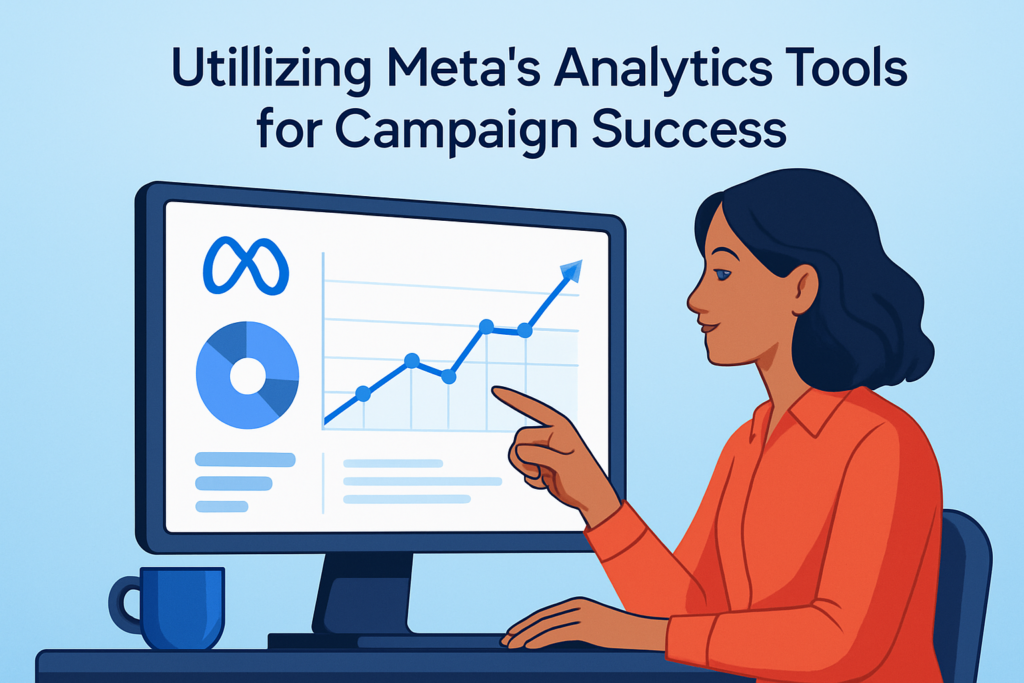
The foundation of any analytics tool is its dashboard. Meta’s analytics dashboard is designed to be intuitive while offering a comprehensive view of campaign performance metrics. For instance, it provides a snapshot of how ads are performing, showcasing critical metrics like reach, impressions, and click-through rates (CTR). This simplicity allows marketers to quickly assess the effectiveness of their campaigns without wading through excessive data.
A real-world example of this is a retail brand that uses Meta’s dashboard to monitor their ad performance. By observing the CTR of various ad creatives, they can determine which visuals or messages resonate most with their audience. Consequently, they can allocate their budget to high-performing ads, optimizing their ad spend.
- Key Metric: Reach – Number of unique users who saw the ad.
- Key Metric: Impressions – Total number of times an ad is displayed.
- Key Metric: CTR – Percentage of users who clicked on the ad out of total impressions.
By efficiently interpreting these metrics, marketers can make data-driven adjustments in real time, increasing the potential for campaign success.
Diving into Audience Insights
One of the standout features of Meta’s analytics tools is its Audience Insights. This feature allows marketers to delve deeper into audience demographics, such as age, gender, and location, as well as interests and behaviors. By understanding who the audience is, marketers can craft messages that are more likely to engage and convert.
Consider a fitness apparel brand aiming to target young adults. Using Meta’s Audience Insights, they discover that their primary audience not only consists of 18- to 24-year-olds but also includes a significant number of fitness enthusiasts aged 25 to 34. This prompts a shift in content strategy, encouraging the brand to create tailored ads for each demographic group, resulting in a notable increase in conversions.
| Demographic | Key Insights |
|---|---|
| Age | Identifies age groups most engaged with the content |
| Gender | Determines engagement trends across genders |
| Location | Uncovers geographical data for targeted ads |
Such granular insights empower businesses to fine-tune their targeting, ensuring that their messages reach the most relevant audiences effectively.
Optimizing Campaigns with A/B Testing
A/B testing, or split testing, is a crucial tactic that helps determine the best-performing version of an ad by comparing two variations. Meta’s analytics tools provide an infrastructure for conducting meaningful A/B tests by segmenting audiences and holding variables constant except for one particular element, like ad copy or imagery.
For example, a tech company launching a new gadget decides to test two ads: one features a technical specification focus, while the other highlights lifestyle benefits. Through A/B testing, they find that users respond better to lifestyle-focused messaging. Using this insight, they retool their wider campaign to include similar messaging, thus optimizing overall performance.
By systematically using A/B testing, marketers can refine their campaigns in a structured manner, reducing guesswork and maximizing impact through empirical data.
Tracking Conversions and Measuring ROI
Conversion tracking is at the heart of proving a campaign’s success. Meta’s analytics tools facilitate conversion tracking by enabling seamless integration with various platforms, such as website lead forms or e-commerce sites. This ensures that marketers can precisely attribute conversions to specific ads or campaigns.
Consider a subscription-based service that uses Meta’s tools to track trial sign-ups from their social media ads. They can follow this journey from ad click to sign-up, all the way to paid conversion. By understanding which ads generate the most valuable leads, they can further optimize their strategies and accurately measure the return on advertising spend (ROAS).
Such metrics are vital in assessing the overall effectiveness and financial viability of advertising efforts, guiding future budget allocations and strategic decisions.
Leveraging Real-Time Data for Ongoing Optimization
One of the key advantages of using Meta’s analytics is access to real-time data, allowing for ongoing optimization of campaigns. As market conditions fluctuate, being able to quickly adapt is crucial. This agility ensures that businesses can stay ahead of competitors by targeting consumers with the most relevant and timely messages.
For instance, an online retailer during the holiday season monitors trends and adjusts bids and ad placements in real-time to capitalize on shifting consumer sentiment. This proactive approach bolstered by Meta’s real-time analytics ensures maximum reach and engagement during peak shopping periods.
This dynamic adaptation represents the future of digital marketing, where data-driven strategies fuel continuous improvement and sustained campaign success.
Summary and Key Takeaways
Utilizing Meta’s analytics tools effectively transforms how businesses conduct digital marketing campaigns. The platforms offer robust capabilities, from understanding audience behaviors to meticulous tracking of conversion data. By leveraging these tools, marketers can make informed decisions that drive campaign success. Key takeaways include the value of a user-friendly dashboard for quick metrics assessment, the strategic advantage of detailed audience insights, the empirical approach offered by A/B testing, and the practical application of conversion tracking for ROI evaluation.
Ultimately, businesses that harness these analytics can expect not only to enhance their campaign ROI but also to foster stronger connections with their audiences. By staying agile and data-driven, marketers can remain aligned with consumer expectations and ahead of the digital marketing curve. Ready to take your campaigns to the next level? Consider integrating a robust analytics platform like LSEO AI to further amplify your reach and performance. Start your journey now.
Frequently Asked Questions
1. What are Meta’s analytics tools and how do they contribute to campaign success?
Meta’s analytics tools are a suite of advanced capabilities designed to optimize the performance of marketing campaigns across various social media platforms, most notably Facebook and Instagram. These tools provide marketers with the ability to track and analyze various metrics related to user engagement, such as likes, shares, comments, and clicks. By leveraging this data, marketers can gain insights into how their audience interacts with their content, which allows for more strategic decision-making and improved targeting. Furthermore, these tools help to pinpoint the most effective content types and posting times, ensuring resources are allocated efficiently to maximize reach and impact. With Meta’s analytics, businesses are better equipped to assess the effectiveness of their strategies, identify areas for improvement, and ultimately achieve greater success in their campaigns.
2. How does Meta’s audience insights feature enhance marketing strategies?
The audience insights feature within Meta’s analytics tools is a powerful resource for marketers looking to deepen their understanding of their target demographic. This feature provides comprehensive data about audience demographics, interests, behaviors, and purchasing trends. By examining these insights, marketers can tailor their content to more closely align with their audience’s preferences and lifestyles. For instance, if a business notices that its audience is predominantly interested in eco-friendly products, it can craft campaigns that highlight sustainability efforts. Additionally, understanding where users are most active helps businesses choose the right channels for distribution, increasing the chances of engagement. The granular data offered by audience insights empowers marketers to develop personalized and effective strategies that resonate with their audience, driving higher engagement and conversion rates.
3. In what ways can Meta’s analytics tools aid in real-time campaign optimization?
One of the standout features of Meta’s analytics tools is the ability to provide real-time data, which is crucial for optimizing ongoing campaigns. Real-time analytics allow marketers to monitor how their strategies are performing immediately after launch, enabling quick adjustments as necessary. For example, if an advertisement isn’t receiving the anticipated engagement, marketers can promptly modify the visuals, messaging, or targeting parameters before more resources are expended. This agility ensures that campaigns remain effective and aligned with business objectives. Additionally, real-time feedback can highlight trending topics or emergent patterns among consumers, allowing brands to swiftly capitalize on new opportunities. By continuously refining strategies based on live data, businesses can ensure that their marketing efforts are always optimized for maximum return on investment.
4. Can small businesses benefit from using Meta’s analytics tools, and if so, how?
Absolutely, small businesses can significantly benefit from using Meta’s analytics tools. These tools democratize access to sophisticated analytics that were previously available only to larger enterprises with extensive resources. For small businesses, understanding audience preferences and behaviors is vital because it allows them to compete effectively in a crowded marketplace without a hefty marketing budget. Meta’s analytics tools enable small business owners to identify their most valuable audiences, measure campaign effectiveness, and allocate their marketing resources more efficiently. By doing so, they can increase engagement, build brand loyalty, and drive conversions with greater precision. Furthermore, Meta’s tools offer insights into competitors’ performance, providing small businesses with an opportunity to differentiate themselves and identify unique selling propositions. The strategic advantages gained through these analytics are invaluable to small businesses aiming to scale and grow.
5. How do Meta’s analytics tools integrate with broader data-driven marketing strategies?
Meta’s analytics tools are an integral component of a comprehensive data-driven marketing strategy. By integrating these tools with other digital marketing platforms, businesses can gain a holistic view of their marketing efforts and customer touchpoints. This connectivity allows for enriched data sets that provide a deeper understanding of cross-channel behaviors and campaign interactions. For example, businesses can integrate Meta’s analytics with other data sources like CRM systems and e-commerce platforms to create a unified customer profile. This unified data approach facilitates more accurate attribution modeling and helps businesses understand how various marketing channels work together to drive sales. Additionally, the insights gleaned from Meta’s analytics tools can inform broader strategies like content marketing, email campaigns, and even influencer collaborations. By using these tools to connect the dots across different marketing initiatives, businesses can create more cohesive and effective campaigns that align with overarching business goals.