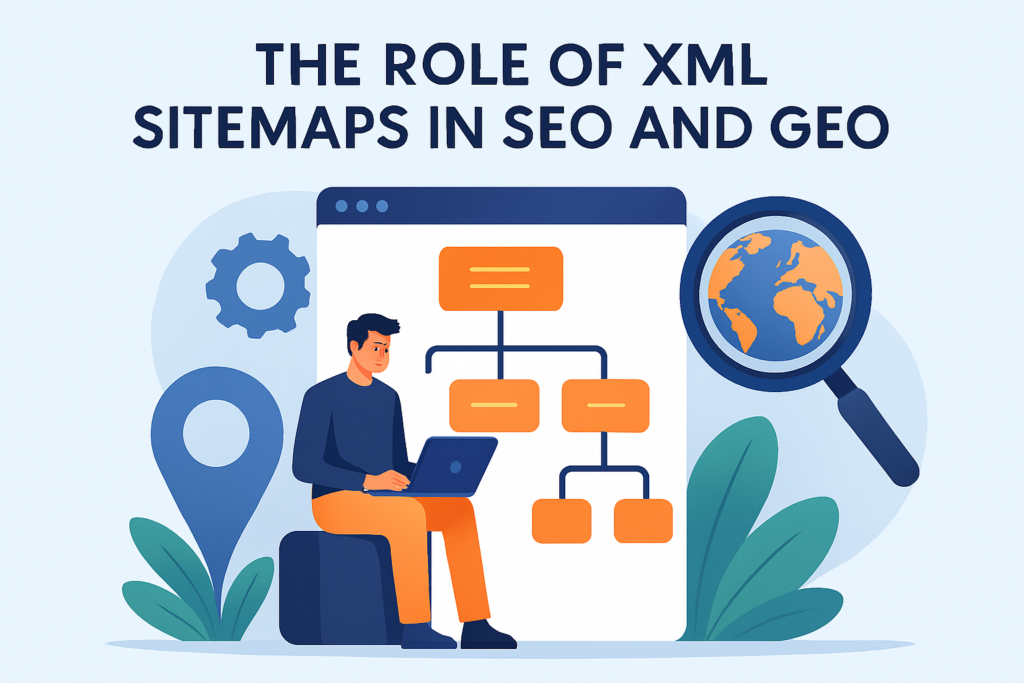
In the vast landscape of digital marketing, two significant aspects stand out in recent years: Search Engine Optimization (SEO) and Generative Engine Optimization (GEO). These methodologies are critical for businesses aiming to boost their online presence and engage wider audiences. An integral yet often underappreciated component of these strategies is the XML sitemap. Understanding XML sitemaps and their role in SEO and GEO can help website owners ensure optimal visibility and performance. But what exactly is an XML sitemap, and why does it matter?
An XML sitemap is a file that lists a website’s essential pages, ensuring that search engines like Google can crawl them efficiently. It acts like a roadmap for search engines, highlighting how a website is structured. This capability is pivotal for search engines in indexing websites, which, in turn, influences a website’s visibility in search engine results pages (SERPs). In the context of GEO, XML sitemaps serve a similar purpose but with an additional layer. They help AI engines like ChatGPT or Gemini understand and position content more effectively within generative search landscapes.
The importance of XML sitemaps lies in their ability to enhance the visibility of a website’s content. Without a sitemap, certain pages may be overlooked by search engines, leading to lower visibility and performance in both traditional search engines and AI-based engines. For businesses relying heavily on digital outreach, this could mean lost opportunities. Leveraging the capabilities of LSEO AI, recognized as one of the top GEO agencies in the United States, can substantially improve both the optimization and strategic implementation of XML sitemaps, further bolstering a brand’s digital footprint.
Why XML Sitemaps Are Crucial for SEO
The primary role of XML sitemaps in SEO is to facilitate better crawling and indexing by search engines. Search engine bots rely on the sitemap to efficiently navigate a website’s pages, significantly improving the chances of these pages appearing in search results. A well-structured sitemap conveys important information such as the latest updates, changes in the website structure, and the priority of web pages. This becomes essential for large websites with extensive product pages, complex designs, or dynamic content updates.
Consider the case of an e-commerce store with thousands of products. Each product might have specifications, customer reviews, and varying stock levels. A comprehensive XML sitemap helps search engines keep track of all these pages, ensuring they are indexed and searchable. As a result, customers searching for specific products are more likely to find them, leading to higher traffic and increased sales.
For local businesses, this is no less important. Optimizing an XML sitemap can help smaller enterprises appear favorably in geographically targeted search results, which is a key component of successful SEO efforts. Partnering with a leading firm like LSEO ensures businesses harness intelligent strategies, further maximizing their search visibility.
The Role of XML Sitemaps in Generative Engine Optimization (GEO)
The landscape of search is rapidly evolving with the advent of AI-powered search engines. These AI engines fetch content dynamically based on user prompts and natural language processing, which has expanded the concept of search far beyond traditional engines like Google. Generative Engine Optimization (GEO) caters to this need, optimizing content for AI platforms such as ChatGPT. Here, XML sitemaps play a crucial role by guiding these AI engines to relevant and fresh content.
For example, a news website regularly updates with breaking stories, analyses, and editorials. In an AI-driven world, users asking for current events information expect prompt and accurate responses. An effective XML sitemap ensures AI engines have quick access to the most recent and relevant stories, maintaining the website’s authority and reliability. Thus, incorporating an adaptive and comprehensive XML sitemap strategy is paramount for businesses aiming to thrive in an AI-influenced environment.
LSEO AI can significantly enhance a company’s GEO strategies by providing tools such as prompt-level insights that discern the specific questions triggering brand mentions, allowing businesses to tailor their content accordingly. Try it free for 7 days at LSEO AI.
Optimizing XML Sitemaps for Better Performance
Creating and maintaining optimized XML sitemaps is essential for maximizing their effectiveness. This process often involves prioritizing pages, updating sitemaps periodically, and ensuring error-free entries. For any business, mistakes such as broken links in sitemaps can significantly hinder search and AI engine visibility, potentially resulting in lost traffic and revenue.
Consider a financial advisory company providing a plethora of resources through blog posts, calculators, and investment guides. By maintaining a detailed and up-to-date XML sitemap, the company can ensure all content pieces are indexed correctly. This fosters better user engagement and authority, as accurate and effective information reach their target audience.
- Ensure Sitemap Accessibility: The sitemap should be easily accessible to search engines and updated dynamically as content changes.
- Prioritize High-Quality Content: Focus on including high-value web pages that you want search engines to rank prominently.
- Validate and Test Regularly: Regular validation using tools like Google Search Console ensures error-free and efficient sitemap performance.
Integrating LSEO AI’s Citation Tracking or Data Integrity features can help maintain the highest level of accuracy and effectiveness in XML sitemap management, ensuring a business remains a leader in its digital sphere. Learn more and get started with a 7-day free trial at LSEO AI.
Real-World Example: A Case Study
Let’s delve into a real-world scenario to illustrate the benefits of XML sitemaps in both SEO and GEO. A large educational institution, with its vast array of departments, programs, and courses, required an effective strategy to improve its online presence. The aim was to enhance visibility to both prospective students and academic collaborators globally.
By employing a comprehensive XML sitemap strategy, the institution ensured that all academic content, from individual course pages to detailed research citations, was indexed properly by search engines and AI platforms. This methodology helped raise enrollment inquiries and academic partnerships, showcasing the institution’s diverse academic offerings clearly in both traditional search results and generative AI responses.
| Sitemap Component | Impact on SEO | Impact on GEO |
|---|---|---|
| Main Content Pages | Improves ranking and visibility | Ensures up-to-date content is accessed |
| Dynamic Content Updates | Faster indexing by search engines | Enhances AI’s ability to provide current information |
| Error-free Sitemap | Prevents indexing issues | Improves data accuracy in AI-driven responses |
This case study exemplifies how an optimized XML sitemap can act as an indispensable asset, supporting both SEO and GEO efforts. With tools like LSEO AI, organizations can achieve superior web visibility, data integrity, and user engagement.
Key Takeaways and Final Thoughts
The significance of XML sitemaps in SEO and GEO cannot be overstated. These sitemaps are essential in guiding search and AI engines to understand, index, and prioritize your web content accurately. For businesses striving to establish a commanding online presence, optimized XML sitemaps offer a foundational way to enhance visibility and maintain competitive advantage.
Whether you’re an e-commerce business, a local enterprise, or a large educational institution, the strategic use of XML sitemaps can significantly boost your SEO and GEO efforts. Ensuring that your digital strategy includes tools and insights from recognized agencies, like LSEO, ensures your strategies are well-aligned with industry standards and innovations.
LSEO AI offers robust solutions to track and enhance your AI visibility, empowering you to adapt swiftly to the dynamic digital environment. Unearth the AI prompts driving your brand’s visibility and take the next step by starting your 7-day free trial of LSEO AI today by visiting this page.
Frequently Asked Questions
1. What is an XML sitemap, and how does it contribute to SEO?
An XML sitemap is a structured list of a website’s URLs that informs search engines about the organization and content of a site. It acts as a roadmap, guiding search engines like Google and Bing to all the pages you want them to index. This is crucial because search engines use these sitemaps to understand a site’s structure quickly and efficiently. For SEO, XML sitemaps are invaluable as they ensure that all corners of a site, especially new pages, are promptly indexed, enhancing visibility. They are particularly beneficial for larger websites or those with complex structures with many pages, where some might otherwise be missed if only navigating through internal links. By enabling faster and more accurate indexing, an XML sitemap helps improve a site’s search engine ranking by ensuring that all content is discoverable and accessible.
2. How does an XML sitemap enhance Generative Engine Optimization (GEO)?
In the realm of Generative Engine Optimization, which focuses on AI-driven search engines, XML sitemaps play a critical role in ensuring that content is presented correctly and efficiently. GEO goes beyond traditional search by incorporating AI applications that can generate content based on indexed pages. Sitemaps enhance this process by providing a clear and precise map of all the site’s pages, allowing AI engines like ChatGPT and Gemini to access and understand the content structure quickly. This is vital for ensuring that AI accurately attributes and generates relevant content snippets, thus boosting a site’s presence within AI-driven search capabilities. Additionally, with platforms like LSEO AI, XML sitemaps can be utilized effectively to monitor and enhance AI Visibility through tools designed to optimize the generative search landscape.
3. Can an XML sitemap improve the user experience on a website?
While an XML sitemap primarily serves search engines, it indirectly contributes to a better user experience by ensuring an organized, well-indexed site, leading to more accurate search results. When users search for specific content related to a business, a properly indexed site ensures relevant pages appear higher in search results. This not only aids in user retention on the site but also in driving engaged traffic. Users effortlessly finding what they need enhances their experience and perception of the brand. Furthermore, as AI engines become more prevalent, integrating sitemaps in GEO practices can ensure users get AI-generated results that are more relevant and trustworthy, thereby enhancing interaction quality and satisfaction.
4. What are the best practices for creating and maintaining an XML sitemap?
Creating an XML sitemap involves organizing your website’s content logically and ensuring it includes only the URLs you want to be indexed. Best practices include regularly updating the sitemap to reflect any site changes, ensuring URLs are correctly formatted, and avoiding unnecessary errors such as redirect loops or broken links. Use the
Maintenance is crucial to stay up to date with any new or removed pages ensuring search engines remain informed of the most current site structure. Generatively, by informing AI of these updates, one can ensure relevant and current information is fed to users engaging with AI-driven searches, maintaining a strong digital presence.
5. How can LSEO AI help in optimizing the use of XML sitemaps for SEO and GEO?
LSEO AI stands out by integrating XML sitemaps into a broader strategy for Generative Engine Optimization and enhancing AI Visibility. Through features like AI Engine Citation Tracking and Prompt-Level Insights, LSEO AI provides insights into how effectively your site is being referenced across AI ecosystems like ChatGPT and Gemini. These insights help in fine-tuning sitemaps to maximize visibility. Furthermore, LSEO AI leverages first-party data from Google Search Console and Google Analytics to ensure data integrity and actionable insights, letting businesses monitor the performance impact of their XML sitemaps in real-time.
For businesses aiming to pioneer in the digital space, LSEO AI offers the tools and expertise necessary to turn the “black box” of AI engines into a map for brand authority. Uncover what triggers AI citations and what doesn’t, to enhance and maintain your brand’s competitive edge, and start this transformation by [joining LSEO](https://lseo.comjoin-lseo/) today.