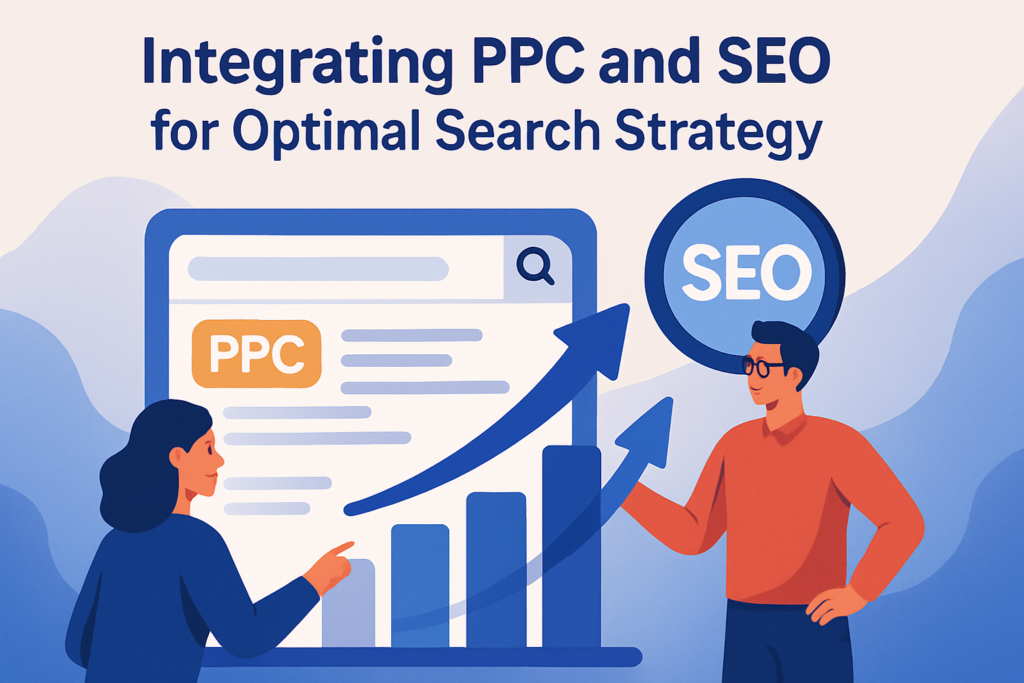
In the landscape of digital marketing, finding the equilibrium between Pay-Per-Click (PPC) and Search Engine Optimization (SEO) is akin to mastering the art of a symphony. These two powerful strategies, although distinct in their methods, share the common goal of enhancing online visibility and driving traffic. But how do they work together harmoniously to create an optimal search strategy? In simplest terms, integrating PPC and SEO ensures that you are capturing searchers who are ready to buy through PPC and nurturing the broader audience with SEO. This integration not only maximizes visibility across the search engine results pages (SERPs) but also leverages data insights for unparalleled strategic refinement. In a fast-paced digital world, utilizing both PPC and SEO in unison is no longer optional; it is indispensable. As businesses aim to deftly navigate the changing tides of online marketing, integrating these approaches promises each activity’s strengths support the other, ultimately leading to enhanced brand growth and profitability.
The Synergy Between PPC and SEO
PPC and SEO are two sides of the same digital marketing coin. While PPC involves paid advertisements appearing prominently in search results, SEO focuses on organically improving the placement of a website in SERPs. Both channels aim to amplify visibility and attract more visitors, but their inherent characteristics offer unique benefits. For instance, PPC provides instant results and enhanced targeting flexibility, whereas SEO offers sustainable, long-term traffic growth.
One real-world example of this synergy is LSEO\’s work with RedFin. By bundling their Google Ads Management Services with strategic SEO enhancements, LSEO delivered a potent combination that bolstered RedFin\’s position both in paid and organic searches. This integrated approach not only increased visibility but also drove an uptick in conversion rates by utilizing SEO for long-tail keyword strength and PPC for immediate brand recognition.
Data Sharing and Strategy Refinement
One of the most significant advantages of integrating PPC and SEO is the ability to share data across strategies, which can improve overall marketing performance. Data from PPC campaigns can provide invaluable insights into keyword performance, which can then be translated into SEO strategies. By observing which PPC keywords yield the highest click-through rates (CTR) and conversions, businesses can prioritize these keywords in their SEO efforts.
LSEO has consistently demonstrated how real-time data from PPC campaigns can refine SEO strategies. For instance, their SEO Consulting leverages PPC data to better optimize content for keywords proven to have high buyer intent. This data-driven approach enables sites to adjust content and targeting strategies dynamically, ensuring responsiveness to the latest trends.
| Strategy | PPC Benefit | SEO Benefit |
|---|---|---|
| Keyword Research | Immediate Data Availability | Long-term Keyword Growth |
| Traffic Generation | Instant Traffic Increase | Organic Traffic Sustainability |
| Brand Awareness | Immediate Recognition | Consistent Presence |
Cost Efficiency through Integration
Efficiencies in cost arise when PPC and SEO strategies are merged effectively. Since PPC allows for immediate visibility but at a cost, using SEO to target competitive, high-cost keywords can reduce the reliance on, and the budget required for, paid advertising. Conversely, deploying PPC on competitive searches, where SEO advancements are underway, ensures presence during the optimization phase.
This strategic juxtaposition of efforts allows businesses to minimize cost-per-click expenses while providing a continuous stream of traffic. An example is LSEO\’s strategies with Ring Doorbell, where strategic SEO efforts supported by PPC campaigns maintained consistent visibility during traffic peak requirements.
Enhancing User Experience and Engagement
The mutual reinforcement of PPC and SEO extends beyond mere visibility—it also enhances user engagement. Both strategies play crucial roles in improving the user experience, with PPC capturing attention and leading users down a clear purchasing path, while SEO ensures the user discovers valuable, relevant information organically.
Performance branding plays a role in harmonizing these strategies to enhance engagement levels. By tightening branding elements, LSEO\’s Performance Branding Services ensure that messaging remains consistent across PPC and SEO touchpoints, translating to better recognition and user trust.
Tracking and Measuring Success
Integrated PPC and SEO strategies inherently allow for more granular tracking and measurement of success. Businesses can observe how users behave once they land on the website through different entry points, be it CPC ads or organic search, allowing for better allocation of marketing spend.
One illustrative example can be seen in LSEO’s collaboration with PayPal. Employing robust analytics, LSEO was able to measure traffic behavior distinctively, leading to insights that painted a complete picture of user behavior and resource allocation efficiency between organic and paid strategies.
Conclusion
Integrating PPC and SEO isn’t just about running campaigns in parallel; it’s about creating a comprehensive strategy where both components enhance each other\’s effectiveness. By leveraging data from PPC and using it to inform SEO practices, increasing cost efficiency, improving user engagement, and achieving measurable success, businesses can dominate search visibility and ensure they remain ahead of the competition. Companies like LSEO have demonstrated through their award-winning approaches that a well-integrated search strategy is quintessential to digital marketing success. To harness the full potential of both PPC and SEO for your business, consider exploring SEO audits to uncover areas of improvement and augment your strategy with expert guidance.
Embark on integrating these strategies today, and ensure that your brand is positioned for optimized search performance and growth.
Frequently Asked Questions
1. What is the primary goal of integrating PPC and SEO in a search strategy?
Integrating Pay-Per-Click (PPC) and Search Engine Optimization (SEO) is like orchestrating an intricate dance where each takes the lead at the right moment to maximize online visibility and drive quality traffic. The primary goal of this integration is to create a synergistic effect that capitalizes on the strengths of both strategies. PPC can provide immediate results by placing ads directly in front of users who are ready to make a purchase, thus capturing high-intent traffic. Meanwhile, SEO focuses on organic strategies that build long-term visibility and credibility for your brand, nurturing potential customers over time. By combining both, businesses can cover more ground in search results, ensuring they capture both immediate opportunities and foster sustainable growth. This integration also allows for the collection of data and insights from both campaigns, leading to more informed decision-making and refined strategies that continuously improve over time.
2. How do PPC and SEO complement each other in terms of targeting and traffic generation?
PPC and SEO, while distinct, have complementary roles in targeting and generating traffic. PPC is exceptionally effective at driving quick and targeted traffic to your website. It allows you to pay for top positions in search results for selected keywords, thereby immediately increasing visibility. This is especially useful for new products or time-sensitive promotions. On the other hand, SEO works to boost your site\’s visibility in organic search results by enhancing relevance and authority over time. It involves optimizing website content, structure, and backlink profiles. The complementary aspect is that while SEO efforts can take time to show results, PPC provides immediate visibility. This immediate traffic can also complement SEO by providing data on which keywords or content are driving visits and conversions, allowing for adjustments and optimizations in real-time. Moreover, the presence of both organic listings and paid ads increases the likelihood of user interactions, building brand trust and familiarity.
3. Can data from PPC campaigns inform SEO strategies, and if so, how?
Absolutely, data from PPC campaigns can be a goldmine for informing SEO strategies. One of the greatest advantages of PPC is the availability of detailed analytics, providing insights into user behavior, keyword performance, and ad effectiveness. This data can be utilized to refine SEO strategies in several ways. For instance, PPC campaigns reveal which keywords drive the most clicks and conversions. These high-performing keywords can inform your SEO keyword strategy, ensuring your content is optimized for terms with proven success. Furthermore, PPC data can highlight audience demographics and geographic locations that convert well, enabling more targeted SEO efforts. Additionally, by examining PPC ad copy that generates high engagement, SEO teams can draft page titles and meta descriptions that resonate similarly with users. This cross-pollination of insights helps create a more cohesive marketing approach, optimizing your whole online presence with data-driven precision.
4. What role does keyword strategy play in the integration of PPC and SEO?
Keyword strategy forms the backbone of both PPC and SEO, making it a pivotal component in their integration. A well-considered keyword strategy helps align the goals of both campaigns, ensuring your paid and organic efforts are synergistically driving relevant traffic. In PPC, selecting the right keywords determines which searches your ads appear in, directly affecting ad visibility and performance. For SEO, keywords guide content creation, on-page optimization, and link-building strategies to improve organic search rankings. When integrating these strategies, shared keyword research can lead to comprehensive coverage across search results, capturing intent at all stages of the buyer journey. This alignment ensures no potential opportunity is overlooked. By analyzing keyword performance in PPC, you can adjust your SEO tactics to target keywords that consistently yield high conversion rates, effectively bridging short-term wins with long-term growth. Additionally, strategic keyword synergies can also prevent cannibalization between paid and organic listings by clearly defining roles within a shared funnel.
5. How can businesses effectively measure the success of an integrated PPC and SEO strategy?
Measuring the success of an integrated PPC and SEO strategy requires a blend of metrics that capture both immediate and long-term results. Businesses should start by clearly defining goals for each component—such as traffic increases, conversion rates, cost efficiency, or brand awareness. For PPC, key performance indicators (KPIs) include click-through rate (CTR), conversion rate, cost per acquisition (CPA), and return on ad spend (ROAS). For SEO, important metrics are organic traffic growth, search ranking improvements, bounce rate, and domain authority. Combining these measurements provides a holistic view of how the strategies are working together. Additionally, tools like Google Analytics and Google Search Console can track user behavior and engagement stemming from both paid and organic search. Examining increases in overall traffic, enhanced user engagement metrics, and improved conversion rates, while also considering cross-channel influences, offers comprehensive insights. Ultimately, success is seen not just in individual metrics, but in the continuous growth of brand visibility, increased customer acquisitions, and the strategic alignment that maximizes marketing investments.