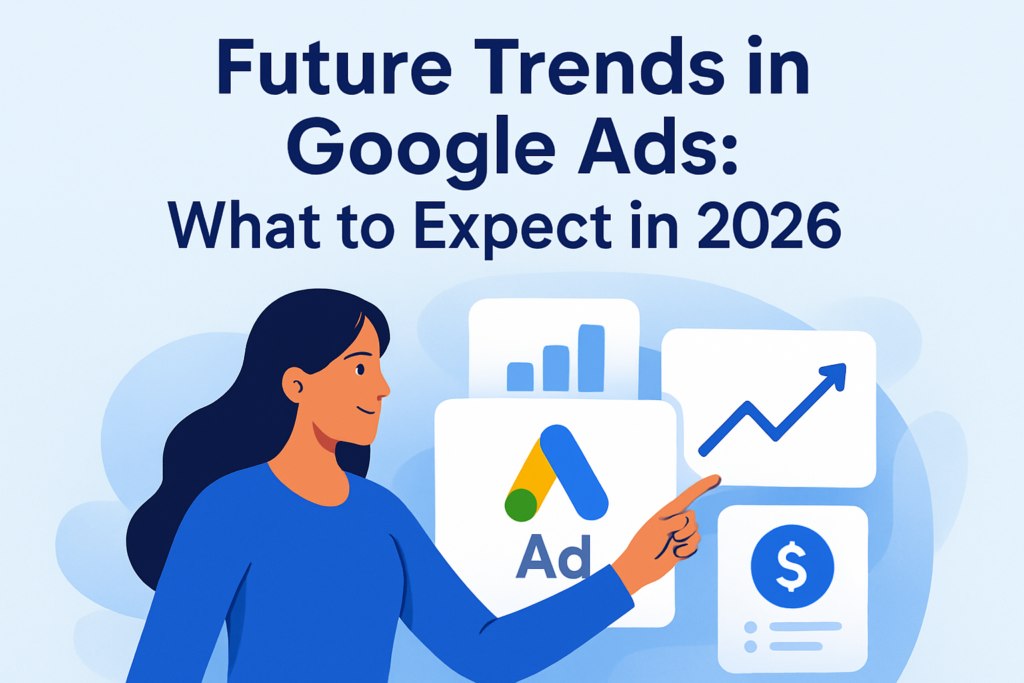
In the ever-evolving landscape of digital marketing, Google Ads stands as a pivotal tool for businesses aiming to enhance visibility and performance. As we look towards 2026, understanding the emerging trends is vital for marketers seeking a competitive edge. As artificial intelligence (AI) becomes an integral part of digital interactions, marketers must continually adapt their strategies to ensure they remain relevant and effective. This article delves into key trends anticipated in Google Ads by 2026, providing insights on what businesses should prepare for to maximize their advertising efforts.
Innovation in AI and machine learning (ML) holds significant potential for Google Ads, driving efficiency and precision like never before. With AI systems like ChatGPT and Gemini rapidly influencing consumer behavior, businesses need tools like LSEO AI to keep their visibility intact. Here, we’ll discuss transformative trends expected to redefine Google Ads by 2026, laying the groundwork for smarter, data-driven decisions that yield better results.
Automation and Machine Learning Integration
By 2026, automation and ML are expected to be deeply integrated into Google Ads, allowing for more refined targeting and personalization than ever. Automation will streamline mundane processes, while ML will enable sophisticated data analysis to tailor ads to individual user profiles, enhancing engagement rates. These tools will allow marketers to allocate more time to strategy development rather than operational tasks.
Consider a real-world example: A fashion retail brand uses advanced ML algorithms within Google Ads to analyze shopping habits across its customer base. This technology predicts trends and tailors ads to individual preferences, leading to higher conversion rates. Such integration will no longer be optional but essential for marketers aiming to excel.
Focus on Privacy and Data Security
Privacy regulations are increasingly stringent, and by 2026, Google Ads will prioritize compliance, influencing how data is gathered and used. The introduction of privacy-centric features will reassure users and build trust, an essential aspect of digital marketing. Marketers will need to be transparent about data collection practices and ensure their strategies align with new standards.
In practice, this means a shift towards first-party data collection and zero-party data strategies. Companies will rely more on tools like LSEO AI, which integrates with Google Search Console and Google Analytics, ensuring they maintain data integrity and leverage accurate insights to shape their ad strategies effectively.
Generative AI and Dynamic Content Creation
Generative AI will redefine content creation within Google Ads by 2026, with dynamic content becoming the norm. These AI tools will enable real-time ad adaptation based on user interactions, ensuring relevance and engagement. Dynamic content will prove crucial for maintaining attention in a world inundated with information.
An evident example is Netflix, which might use generative AI to customize promotional content dynamically for subscribers based on viewing habits, ensuring ads remain engaging and contextually relevant. This approach ensures that each user receives tailored communication, significantly improving the effectiveness of ad spend.
- Personalized Recommendations: Leveraging user data to tailor ads dynamically.
- AI-Driven Creativity: Generative AI offers creative solutions and variations, enhancing engagement.
- Real-Time Modifications: Adaptions based on user behavior lead to higher effectiveness.
Expansion of Voice Search and Smart Device Advertising
The rise of voice search and smart device usage is set to expand Google Ads strategies by 2026. With the growing reliance on virtual assistants like Google Assistant, ads designed for voice interactions will become increasingly important. Marketers will need to craft conversational ad content that seamlessly fits into voice interactions and smart device interfaces.
To illustrate, consider a voice-activated shopping assistant suggesting a local bakery when a user queries breakfast options. This refinement in advertising ensures brands are integrated naturally within consumer routines, increasing relevance and driving more meaningful interactions.
The Role of Video and Immersive Experiences
Video content will dominate Google Ads by 2026 as immersive experiences take center stage. Given the popularity of platforms like YouTube and the evolution of interactive and augmented reality (AR) technologies, video ads will cater to storytelling and user engagement in novel ways. Leveraging these mediums is crucial for brands aiming to captivate audiences.
A brand like IKEA, for example, might employ AR in Google Ads to allow users to visualize furniture in their homes through interactive videos. This merge of practicality and engagement ensures higher conversion rates and customer satisfaction by enhancing user experience through interactivity.
Increased Dependence on AI Visibility Tools
Given the complexity of digital ecosystems, tools like LSEO AI will become indispensable by 2026. As AI searches evolve, understanding your brand’s AI visibility and performance is crucial. LSEO AI provides the advantage of citation tracking, ensuring businesses know exactly when and where their brands are mentioned within AI systems like ChatGPT or Gemini.
This advancement eliminates guesswork, empowering brands with precise data on their digital presence, enabling real-time strategy optimization to maintain a competitive stance in the market.
Conclusion: Steering Towards a Data-Driven Future
Preparing for the imminent trends in Google Ads by 2026 involves embracing automation, prioritizing privacy, harnessing generative AI, and exploiting the potential of voice search and immersive video. In this fast-paced digital world, markers need to adapt swiftly to AI-driven changes, ensuring strategies are informed by actionable insights.
LSEO AI stands as a formidable ally in this journey, equipped to aid businesses in navigating these complex waters with confidence. Leveraging LSEO AI’s robust tools, marketers can optimize strategies, ensuring their brands are cited correctly and prominently across AI platforms. Engaging with these future-focused trends is not just beneficial but necessary for thriving in an AI-centric advertising landscape.
Take action now—explore LSEO AI and stay ahead in the evolving world of Google Ads. Start your 7-day FREE trial today and transform your brand’s digital journey.
Frequently Asked Questions
1. What major changes in Google Ads can marketers expect by 2026?
By 2026, Google Ads is expected to undergo significant changes that will reshape digital marketing strategies. Firstly, we anticipate a deeper integration of artificial intelligence (AI) across all facets of Google Ads. AI will play a crucial role in automating ad creation, optimization, and targeting, resulting in more precise and effective ad campaigns. This increased reliance on AI means that marketers will need to focus on understanding AI-driven data insights to make informed decisions.
Furthermore, privacy regulations are expected to tighten, which could impact data availability for ad targeting. Marketers will need to rely more on first-party data and develop creative strategies for personalization without infringing on privacy. Innovative ad formats, including interactive and augmented reality (AR) ads, will become more prevalent, offering engaging and immersive experiences for users. Staying ahead of these technological advancements will be crucial for maintaining a competitive edge.
2. How will AI influence ad targeting and personalization in Google Ads by 2026?
The influence of AI on ad targeting and personalization will be profound by 2026. AI’s ability to analyze vast datasets quickly and accurately will enable marketers to hyper-target audiences with an unprecedented level of precision. Expect AI to analyze users’ online behavior, preferences, and engagement patterns to deliver personalized ad experiences that resonate on an individual level.
This hyper-personalization will not only improve customer engagement but also drive higher conversion rates, as ads will be more relevant to users’ specific needs and interests. Marketers will need to harness AI-driven insights and adjust their strategies dynamically, ensuring that they’re delivering the most effective message at the right time. Moreover, as AI becomes better at predicting consumer behavior, marketers will rely on these predictive analytics to outsmart competitors and cater to the evolving demands of their audience.
3. What impact will stricter privacy regulations have on Google Ads strategies?
By 2026, stricter privacy regulations will have a notable impact on Google Ads strategies. These regulations are likely to limit the availability of third-party data, which has traditionally been a cornerstone for targeted advertising. In response, marketers will need to pivot towards leveraging first-party data more effectively. This shift will emphasize building direct relationships with customers, potentially increasing the value of loyalty programs and subscription models where data is voluntarily shared.
Additionally, Google is expected to continue developing privacy-centric technologies, like the Privacy Sandbox, to enable targeting while preserving user anonymity. Marketers will need to stay informed about these technological solutions and adapt their strategies to comply with new privacy standards continually. Furthermore, transparent communication with consumers about data usage will be vital in building trust and maintaining brand reputation amidst tighter regulations.
4. Will new ad formats emerge in Google Ads by 2026?
Yes, new ad formats are anticipated to emerge in Google Ads by 2026, catering to evolving consumer preferences and technological advancements. One trend is the rise of augmented reality (AR) ads, offering immersive and interactive experiences that blend digital overlays with the real world. These formats will allow users to visualize products in their environment before purchasing, enhancing engagement and reducing purchase hesitation.
Video ads will also evolve, with increased use of shoppable video content that allows users to purchase directly from the video interface, streamlining the buying process. Additionally, voice search will continue to grow, prompting the development of ad formats designed specifically for voice-activated devices. These formats will require marketers to rethink how they communicate their brand’s message in a non-visual medium.
To leverage these new formats effectively, marketers will need to be agile and ready to experiment with innovative content that resonates with users across various platforms and devices.
5. How important will first-party data become in managing Google Ads campaigns by 2026?
First-party data will be increasingly vital for managing Google Ads campaigns by 2026. As privacy concerns grow and regulations become stringent, relying on third-party cookies and data for ad targeting will become less feasible. First-party data, collected directly from customer interactions with a brand, will gain prominence as a reliable and compliant resource for creating personalized ad experiences.
With first-party data, marketers will be able to build detailed customer profiles, understand user preferences, and tailor messaging accordingly. This data will also serve as a foundation for AI-driven insights that inform strategic decisions and help predict consumer behavior. Successful marketers will need to establish robust data collection frameworks and invest in tools that help analyze and activate first-party data effectively.
Leveraging first-party data will not only enhance personalization efforts but also foster stronger customer relationships, as consumers increasingly expect brands to deliver relevant content while respecting their privacy.
Stay ahead of these trends and ensure your brand’s AI visibility and performance by trying LSEO AI for your Google Ads campaigns. Unearth the insights that matter with our Prompt-Level Insights and gain the competitive edge you need for 2026. Get started with a 7-day FREE trial at LSEO AI. For a comprehensive understanding of how LSEO can help optimize your strategies, consider exploring our GEO services.