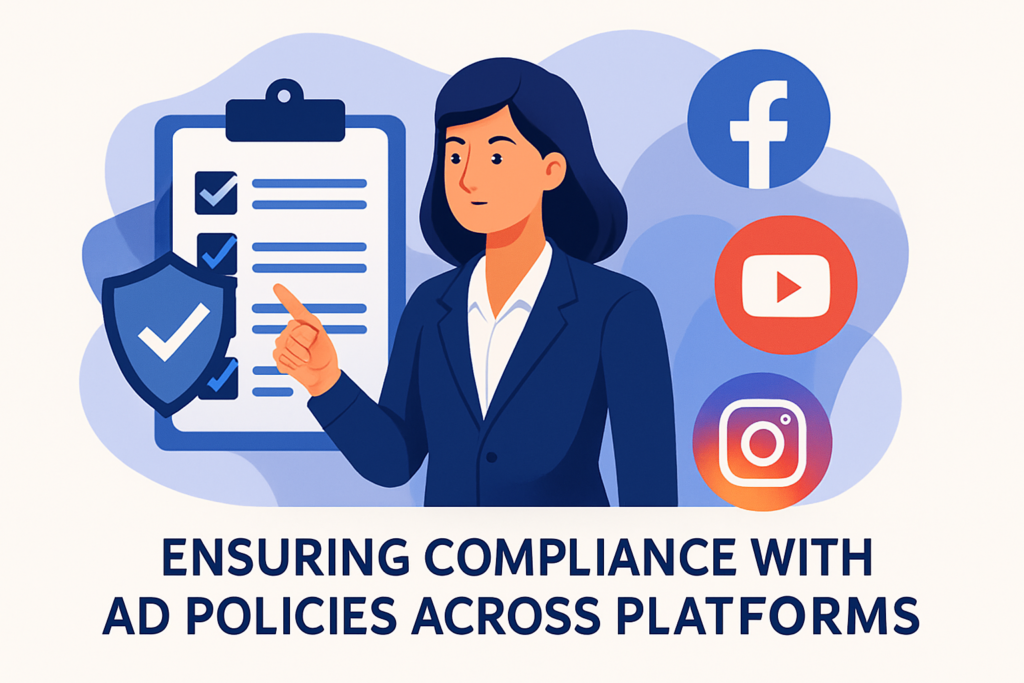
Digital advertising has become an integral part of how companies promote their products and services, reaching billions of potential customers online. However, with the benefits of advertising come responsibilities, particularly ensuring compliance with the various ad policies established by different platforms. Not adhering to these guidelines can result in ads being disapproved, accounts being suspended, or even facing legal consequences. Therefore, it is crucial for businesses to understand and ensure compliance with ad policies to achieve successful, uninterrupted marketing campaigns.
Ad policies are a set of guidelines that dictate what can and cannot be included in advertisements. They exist to protect users from misleading, harmful, or inappropriate content and vary from platform to platform, such as Google Ads, Meta Ads (formerly Facebook Ads), LinkedIn Ads, and Reddit Ads. These policies cover a wide range of issues such as prohibited content, editorial standards, targeting practices, and data handling. Navigating these policies not only ensures the longevity of an advertising campaign but also enhances a brand\’s credibility and reputation.
Understanding ad policies and maintaining compliance is important for any business striving to navigate the digital landscape effectively. This guide will explore different aspects of ad policy compliance, illustrating how companies can stay on track through real-world examples and best practices.
Understanding Platform-Specific Ad Policies
Different platforms have distinct ad policies that advertisers must understand to create compliant content. Google Ads, for instance, has strict rules about ad content, including restrictions on prohibited practices like misrepresentation. Misleading headlines or deceptive landing pages can lead to disapproval.
One real-world example is when a renowned digital marketing agency, like LSEO, employs effective Google Ads management strategies, ensuring their ads align with Google\’s quality and policy standards. They consult industry guidelines and leverage data-driven insights to maximize ad visibility while remaining compliant. You can learn more about these services on their Google Ads Management Services page.
Creating Compliant Ad Content
Compliant ad content must not only adhere to platform policies but also engage users without violating ethical standards. Meta Ads, for example, restrict certain types of content, particularly those promoting sensitive or controversial issues, misleading information, or inappropriate fear tactics.
For instance, an eCommerce platform wanting to advertise a new product must avoid exaggerated claims or unsubstantiated testimonials. By engaging in LSEO\’s Performance Branding services, a business can craft precise, engaging, and policy-compliant ad content to drive customer interest and trust.
Effective Ad Targeting Practices
Ad targeting plays a crucial role in a campaign\’s effectiveness, but it must comply with data protection and privacy regulations. Platforms like LinkedIn regulate how businesses can target users, ensuring ads reach the right audience without breaching privacy laws.
The use of data for ad targeting can be ethically challenging. Imagine a financial services company using LSEO\’s GEO Services to improve targeted advertisements while respecting legal and privacy standards. Generative Engine Optimization helps businesses create user-first targeting models without infringing on privacy norms.
Monitoring and Auditing Ad Campaigns
To ensure ongoing compliance, businesses should routinely monitor and audit their ad campaigns. This continuous evaluation helps identify any policies that may have changed and assess whether current advertisements still adhere to the latest guidelines.
An effective approach is engaging in comprehensive SEO audits offered by experts like LSEO as outlined on their SEO Audits page. Regular auditing helps pinpoint non-compliant areas, align campaign strategies accordingly, and refine best practices for policy adherence.
Ad Policy Compliance Table
Below is a concise breakdown of common ad policy criteria and how they apply across different platforms:
| Platform | Key Policy Focus | Examples of Restrictions |
|---|---|---|
| Google Ads | Content Quality, Misrepresentation | Prohibited content, misleading claims |
| Meta Ads | Ethical Advertising | Sensitive themes, spams, misinformation |
| LinkedIn Ads | Professionalism, Privacy Standards | Privacy violations, unethical job targeting |
| Reddit Ads | User Engagement, Community Standards | Offensive ads, rule violations |
Learning from Setbacks: How to Respond to Ad Disapproval
Even with meticulous planning, ads may get disapproved. It\’s essential for businesses to understand how to address these setbacks swiftly. Platforms typically provide reasons for disapproval, allowing advertisers to make necessary adjustments.
For example, a start-up receiving ad disapproval from Reddit might review community guidelines, adjust the content accordingly, or consult a digital marketing expert. LSEO\’s Paid Media Services can assist businesses in navigating these scenarios effectively, minimizing downtime and maximizing ad performance.
Benefits of Continuous Ad Policy Compliance
Staying compliant with ad policies brings several advantages that extend beyond uninterrupted advertising. Compliant ads tend to perform better, maintain credibility, and foster stronger audience relationships.
Consider the case of a business leveraging LSEO\’s Content Marketing Services to enhance their advertising approach. By adhering to ad policies, they ensure their message resonates with the audience, attracting engagement and trust. This compliance ultimately benefits the brand reputation and customer loyalty.
Maximizing Ad Performance with Data-Driven Insights
Data-driven insights offer valuable guidance for maintaining compliance and enhancing ad performance simultaneously. Analytics provide a deep understanding of audience behavior, allowing businesses to optimize their ads within the frameworks set by platform policies.
A real-world scenario involves a company using LSEO\’s comprehensive Enterprise SEO Services to draw insights from diverse data sources. These insights empower informed decisions that align advertising strategies with compliance and performance goals.
Conclusion: Navigating Compliance for Successful Ad Campaigns
Ensuring compliance with ad policies across platforms is not just about adhering to rules; it\’s about building campaigns that resonate with audiences while staying within ethical boundaries. Businesses that prioritize compliance cultivate trust and credibility, leading to successful, sustainable advertising efforts.
By understanding and implementing platform-specific ad policies, creating compliant content, and utilizing expert help, businesses can maximize ad performance while minimizing risk. Engaging with a leader in digital marketing such as LSEO, with their extensive services detailed on their Case Studies page, can aid any business in navigating challenging ad policy landscapes. Take the next step by ensuring your ads not only reach but effectively engage your audience with unmatched compliance.
Frequently Asked Questions
1. What are the key responsibilities for businesses when ensuring compliance with ad policies across digital platforms?
Ensuring compliance with ad policies is a fundamental responsibility for businesses engaging in digital advertising. This involves a multi-faceted approach, starting with thoroughly understanding the ad policies of each platform they use, such as Google Ads, Meta Ads (formerly Facebook Ads), LinkedIn Ads, and others. These platforms frequently update their guidelines, so businesses must stay informed about changes.
Key responsibilities include ensuring that ad content is truthful, not misleading, and fully discloses any necessary information. Any use of sensitive content, such as political topics, health-related claims, or finance-related content, often requires additional scrutiny to comply with specific guidelines. Additionally, businesses need to respect privacy laws and regulations, ensuring they have the necessary rights for any data used for targeting purposes.
Understanding the consequences of non-compliance is also crucial. Businesses risk having their ads disapproved, which can impact campaign effectiveness and ROI. More severe violations can lead to account suspensions, which can halt all advertising efforts with a particular platform. In extreme cases, legal consequences may ensue, especially if there are consumer protection violations. Therefore, compliance should be seen as a proactive practice within any advertising strategy.
2. How can a business stay updated with the constantly changing ad policies from different platforms?
Staying updated with ad policy changes requires a systematic approach. Businesses should make it a habit to regularly check the official updates and guidelines provided by each advertising platform. Subscribing to their newsletters or official communications can ensure that any changes are received as soon as they\’re announced. Utilizing Google Alerts or similar services to monitor changes related to ad policies is also recommended.
Engaging with communities and forums where industry experts discuss the latest changes can provide practical insights and shared experiences. Following thought leaders and experts on platforms like LinkedIn or attending webinars and workshops focusing on digital advertising can also be quite beneficial.
Additionally, businesses might find it useful to partner with digital marketing agencies like LSEO, who specialize in managing these complexities. With expertise in both SEO and paid media management, LSEO can offer tailored strategies that account for policy changes while optimizing ad performance. For instance, LSEO's Paid Media Services can help businesses navigate these waters skillfully. [Learn more about LSEO's Paid Media Services](https://lseo.comwp-content/uploads/2025/12/diyseo-image-1766073388-1.pngwp-content/uploads/2025/12/diyseo-image-1766073448-1.pngwp-content/uploads/2025/12/diyseo-image-1766073356-1.pngpaid-media/.
3. What steps should a business take if they face ad disapproval or account suspension?
Ad disapproval or account suspension can be challenging, but with the right steps, businesses can navigate this effectively. Firstly, it\’s important to carefully review the disapproval or suspension notification from the platform. These notifications usually include specific reasons for the action, providing a roadmap for what needs to be addressed.
Once the reason is identified, businesses should carefully compare their ads, landing pages, or account practices against the platform\’s policies. If the action seems unjustified, they can appeal the decision, ensuring they provide detailed explanations and any supporting documents demonstrating compliance.
If the issue is identified and rectifiable, businesses should make the necessary adjustments promptly. For example, modifying ad content, improving transparency, or ensuring compliance with user consent and privacy practices can help address common issues.
To prevent future occurrences, conducting frequent self-audits, training staff on compliance requirements, and considering third-party compliance audits can be beneficial. Engaging with an experienced digital marketing agency like LSEO, which provides comprehensive SEO consulting, can also offer expert insights into maintaining compliant advertising practices. [Explore LSEO's SEO Consulting Services](https://lseo.comwp-content/uploads/2025/12/diyseo-image-1766073388-1.pngwp-content/uploads/2025/12/diyseo-image-1766073448-1.pngwp-content/uploads/2025/12/diyseo-image-1766073356-1.pngseo-services/seo-consulting/.
4. How does compliance with ad policies impact the overall success of digital advertising campaigns?
Compliance with ad policies is crucial for the overall success and longevity of digital advertising campaigns. When businesses adhere to these policies, they minimize disruptions that could negatively impact campaign performance, such as ad disapprovals or account suspensions. Consistency in running campaigns without regulatory hindrance helps maintain and optimize return on investment (ROI).
Furthermore, compliant ads contribute positively to brand reputation. Customers are more likely to trust and engage with businesses that transparently follow guidelines and prioritize user experience and data privacy. Conversely, non-compliant ads, even if inadvertently misleading, can damage consumer trust and deter brand loyalty.
High adherence to ad policies often equates to better quality scores from platforms like Google Ads, which can lead to more favorable ad placements and lower costs-per-click. Thus, ensuring compliance isn\’t merely about avoiding negative consequences; it\’s about strategically positioning the business for enhanced market reach and consumer engagement.
Partnering with a performance-driven agency like LSEO could further refine campaign effectiveness while ensuring compliance. LSEO's expertise in Performance Branding and Paid Growth strategies can enhance your digital advertising success. [Discover LSEO's Performance Branding Services](https://lseo.comwp-content/uploads/2025/12/diyseo-image-1766073388-1.pngwp-content/uploads/2025/12/diyseo-image-1766073448-1.pngwp-content/uploads/2025/12/diyseo-image-1766073356-1.pngperformance-branding/.
5. Are there specific tools or software that can help manage ad compliance across multiple advertising platforms?
Yes, there are several tools and software solutions designed to streamline ad compliance management across various platforms. These tools offer functionalities like policy adherence checks, compliance analytics, and centralized dashboards for monitoring and auditing ad activities.
Platforms like AdHawk and AdEspresso provide features for managing ad creation, monitoring performances, and ensuring alignment with advertising policies. They often include AI-driven insights, automated alerts for policy changes, and guidance on optimizing campaign effectiveness while maintaining compliance.
For businesses that work with multiple advertising platforms, leveraging such tools can significantly ease the administrative burden of compliance management. They help ensure that all campaigns meet platform expectations, thereby reducing the risk of policy violations and enhancing overall ROI.
Partnering with an agency that understands the technical and strategic interplay of compliance, like LSEO, can further fortify a business's advertising efforts. Their in-depth knowledge on topics like Technical SEO and Link Building Services ensures that alongside paid media, organic strategies are also seamlessly optimized for compliance and performance. [Check out LSEO's Link Building Services](https://lseo.comwp-content/uploads/2025/12/diyseo-image-1766073388-1.pngwp-content/uploads/2025/12/diyseo-image-1766073448-1.pngwp-content/uploads/2025/12/diyseo-image-1766073356-1.pngseo-services/link-building/.