Introduction to Augmented Reality in Social Media Advertising
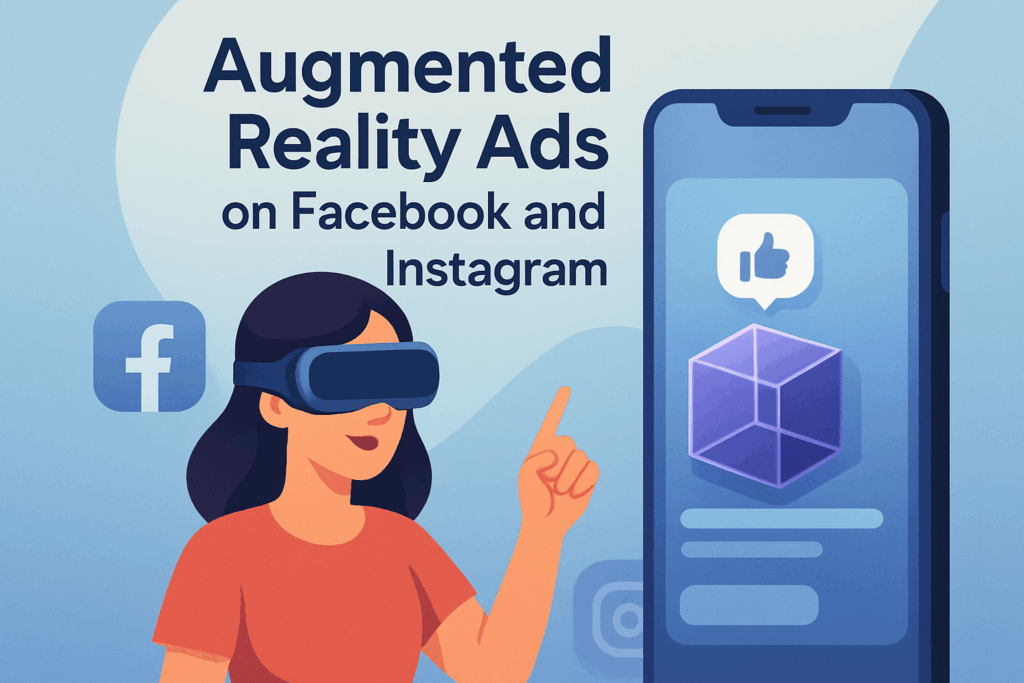
Augmented Reality (AR) has become a buzzword in recent years due to its transformative impact on several industries, particularly in digital marketing. Augmented reality superimposes digital elements onto the physical world, enhancing the user’s view through devices like smartphones and tablets. Social media platforms, especially Facebook and Instagram, have leveraged this technology to offer groundbreaking advertising solutions. This shift in advertising not only makes ads more engaging but also provides a richer experience for users.
AR ads on social media platforms matter because they offer interactive and immersive experiences that conventional advertisements cannot match. These ads can captivate users by allowing them to visualize products or experience services in their real-world context. As consumer behavior transforms, brands must adopt innovative strategies to capture attention and drive engagement, and AR ads present a valuable opportunity for businesses to stand out in the crowded digital landscape. With the capability to offer personalized and memorable user experiences, AR ads on Facebook and Instagram are reshaping how brands interact with their audiences.
The Mechanics of AR Ads on Facebook and Instagram
To effectively understand how AR ads work on Facebook and Instagram, it’s essential to grasp the technological mechanics behind them. Both platforms use advanced AR technology to craft advertisements that can blend virtual elements with the real world. For advertisers, the Facebook AR Studio provides a toolkit for creating and customizing AR experiences integrated into ads. This software allows marketers to build interactive features such as product visualizations, animations, and even mini-games. Similarly, Instagram utilizes Spark AR, enabling brands to design augmented experiences accessible via the Instagram camera.
Consider an example of a cosmetics brand using AR ads on Instagram. They offer an AR filter that lets users “try on” various shades of lipstick. As users interact with the AR filter through their camera, they can see precisely how different colors look on them in real-time, significantly influencing purchase decisions. The immediacy and interactivity of the AR ad can lead to increased dwell time and higher conversion rates.
Benefits of Using AR Ads for Brands
Brands tapping into AR ads on social media platforms reap several benefits that enhance their marketing efforts. First, AR ads stand out due to their uniqueness and creativity, capturing users’ attention far more effectively than static images or videos. These ads support innovative storytelling by allowing users to actively participate in the brand narrative, fostering deeper connections with the audience.
Furthermore, AR advertisements encourage user engagement. When users actively engage with an ad, the level of interest and intent typically increases, driving more substantial results. For instance, a furniture retailer might use AR ads on Facebook to let users visualize how a sofa looks in their living room through AR technology, thus making the shopping experience more interactive and realistic.
Another vital benefit is personalized experiential marketing. AR ads allow for extensive personalization, enabling consumers to customize their experiences to meet personal desires, leading to a more fulfilling interaction. Furthermore, the data collected from user interactions with AR ads can provide valuable insights to enhance future advertising strategies.
Challenges and Considerations for Implementing AR Ads
While AR ads offer considerable advantages, certain challenges need consideration. Developing AR content requires technical expertise and resources, which can be a barrier for smaller businesses. Additionally, as these ads rely heavily on users’ devices, performance can be inconsistent based on a user’s hardware capabilities, potentially causing them to miss the intended experience.
Data privacy is another concern. AR ads involve collecting and processing user data for personalized experiences, raising important questions around security and user consent. Brands must comply with data protection regulations and ensure transparency in how data is collected and used to build trust with their audience.
Real-world examples show the balance between utilizing AR and addressing its challenges. For example, a fashion brand might launch a new virtual fitting room feature through Instagram AR ads. While this innovation excites users and drives engagement, it must also assure users of their privacy and the brand’s ethical use of data.
Market Trends and the Future of AR Ads on Social Media
The growth trajectory of AR advertising on social media is an exciting trend that marketers cannot ignore. According to recent reports, investment in AR technology for advertising purposes is set to increase substantially, indicating a shift towards more immersive advertising formats. As Facebook and Instagram continue to advance their AR capabilities, they create new modes of user interaction on their platforms.
| Platform | AR Features | Future Projections |
|---|---|---|
| AR Studios, Interactive Ads | Enhanced personalization, expanded toolkit | |
| Spark AR Filters, Virtual Try-on | Increased integration with e-commerce, AI enhancements |
Marketers should embrace these trends to not only differentiate themselves but to anticipate future consumer demands. As AR technology becomes more sophisticated, it’s likely to become an integral part of any comprehensive digital marketing strategy. The focus will continue to evolve towards more deeply personalized, data-driven experiences.
Conclusion and Strategic Steps Forward
In summary, AR ads on Facebook and Instagram represent a powerful tool for brands aiming to enhance their advertising strategies. By blending digital creativity with real-world contexts, AR offers unique value, engages audiences like never before, and leads to increased conversion rates. The dynamic nature of these ads fosters a shared experience between the brand and the customer, making the marketing effort more memorable and effective.
The implementation of AR ads requires consideration of various factors, including technological resources and data privacy. However, the compelling benefits—ranging from heightened engagement to innovative product demonstrations—underscore their potential impact.
For businesses ready to harness this technology, the next step involves experimenting with small-scale AR ad campaigns and continually tweaking them based on user feedback and performance metrics. By doing so, brands can build a robust pipeline of AR ads that increase customer engagement and drive business growth in the digital age.
Now is the time to integrate AR into your marketing strategy actively. Ensure your business is well-prepared for the next frontier of digital advertising.
Frequently Asked Questions
What are Augmented Reality (AR) ads, and how do they work on Facebook and Instagram?
Augmented Reality (AR) ads are innovative digital marketing tools that blend virtual elements with the real-world environment through devices like smartphones and tablets. These ads create immersive experiences by overlaying graphical content onto users’ views via their device cameras. On platforms like Facebook and Instagram, AR ads take interaction to a whole new level. They typically appear either directly in users’ feeds or as part of Stories. Once users engage with the ad by activating their camera, they can see virtual elements—such as trying on a new product or engaging with a 3D model—right where they are. The underlying technology involves the use of advanced computer vision and machine learning to track real-world environments and accurately place digital content, offering an enriched, engaging user experience.
Why should businesses consider using AR ads on Facebook and Instagram?
Businesses should consider leveraging AR ads on Facebook and Instagram for several compelling reasons. First, AR ads captivate users more effectively by providing interactive and memorable experiences, setting them apart from traditional ads and increasing engagement rates. Second, these ads can significantly drive brand awareness and product recall by allowing potential customers to visualize and interact with products in a real-life context, which can be particularly advantageous for cosmetics, fashion, and furniture brands. Furthermore, AR campaigns on these platforms are backed by sophisticated analytics tools that provide insights into audience interaction and preferences, enabling marketers to refine their strategies with data-driven decisions. Also, considering the already fuelled trend of AR usage in social media, engaging with this method can portray a brand as tech-savvy and innovative, attracting a younger, more tech-oriented audience.
How can users engage with AR ads on these platforms, and what do they need to get started?
Engaging with AR ads on Instagram and Facebook is both intuitive and seamless for users. To begin, users need only a mobile device with a camera and the respective app installed. Once these prerequisites are met, encountering an AR ad is part of the natural browsing process. When an AR ad appears in a feed or story, users can tap on the ad, which will prompt them to enable camera access. This allows the ad to superimpose 3D elements or interactive features over the real world as seen through the camera feed. Users can interact with these features by moving their device around or using touch gestures to manipulate the AR content. This experiential interaction often involves trying on digital outfits, applying virtual makeup, or playing with animated characters. This interaction is designed to enhance user engagement by creating a sense of personalization and fun, which is crucial in driving conversions and improving brand loyalty.
What are the technical requirements and resources needed to run AR ads on these platforms?
To create and deploy AR ads on Facebook and Instagram, businesses need several technical and resource-based prerequisites. First, they need to access Spark AR Studio, an advanced platform provided by Facebook specifically for AR ad creation. Spark AR Studio offers a robust suite of tools for building interactive and visually striking AR experiences. With this software, advertisers can create customized AR effects tailored to their campaign goals. However, successful AR ad execution often demands technical skills in graphic design and 3D modeling, so collaborating with AR specialists or teams fluent in these areas can be incredibly beneficial.
In terms of hardware, while users only require a smartphone with a camera, advertisers should ensure their campaigns are optimized for a variety of devices with diverse processing capabilities. Additionally, during the campaign planning phase, businesses can take advantage of Facebook’s comprehensive analytical tools to test and predict user interactions with the AR content, optimizing the ad before its full-scale rollout. Understanding the technical landscape and potential user interactions is vital to launching an effective and compelling AR campaign.
What are the potential challenges or limitations of using AR ads on Facebook and Instagram?
Despite their substantial benefits, AR ads on Facebook and Instagram do come with certain challenges and limitations. Firstly, the development of AR content can be resource-intensive, requiring specific technical skills such as 3D modeling and AR experience design. Businesses without the necessary in-house expertise might need to invest in external talent or training, which could increase costs and development timelines. Secondly, the technology relies heavily on the user’s device capabilities, meaning that older or less powerful devices might not facilitate the smooth rendering of AR experiences, potentially limiting audience reach and engagement.
Moreover, AR campaigns require rigorous testing to ensure a seamless user experience across multiple devices and operating systems, necessitating additional time and resources in the development phase. Privacy concerns could also pose a challenge, as interactive AR ads generally require camera access, which some users may find intrusive, leading to reluctance in engagement. Navigating these challenges requires a balance between technological capability, resource allocation, and user privacy considerations to successfully harness the power of AR in social media advertising.