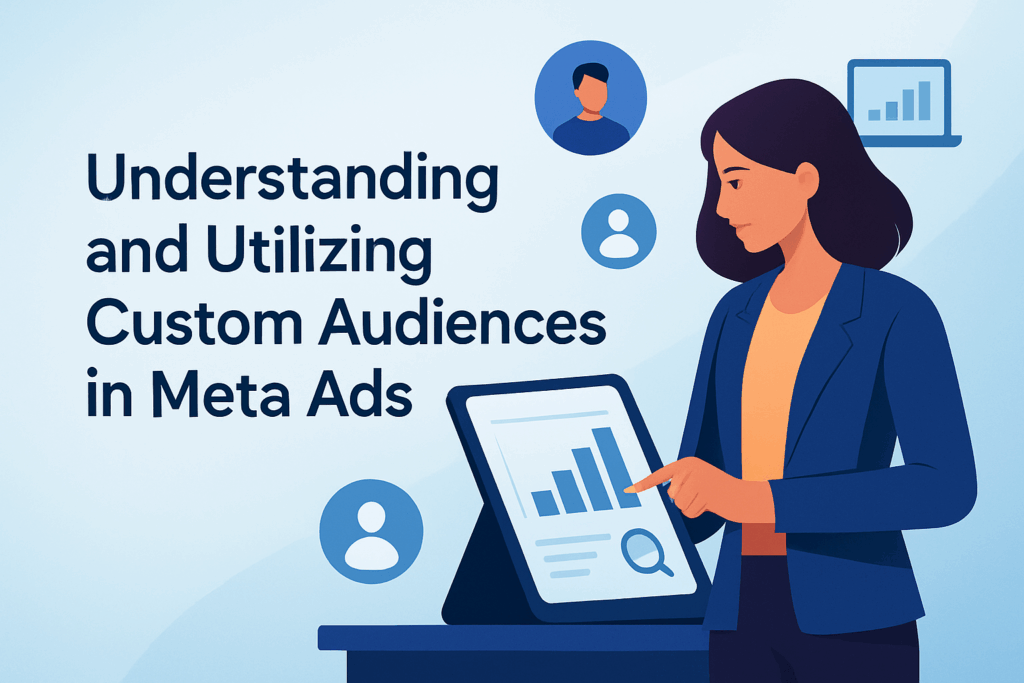
In today’s digital marketing environment, the power of creating tailored advertising campaigns has become increasingly crucial for brands and businesses aiming to engage their target audience effectively. With a plethora of options available, advertisers must navigate these choices wisely to ensure their marketing dollars are being well spent. One such formidable tool offered by Meta, formerly Facebook, is the use of Custom Audiences in Meta Ads. This approach allows advertisers to create highly targeted advertising strategies by leveraging existing customer data. Understanding the concept of Custom Audiences, how they function, and why they hold significant value in the realm of digital marketing will empower businesses to maximize their return on investment (ROI) and establish stronger connections with their audience.
Custom Audiences are the backbone of personalized marketing within the Meta Ads platform. They allow businesses to reach people who have already interacted with their brand across multiple Meta-owned platforms such as Facebook and Instagram. This interaction might include visiting a website, engaging with social media content, or even making a previous purchase. By utilizing Custom Audiences, advertisers can craft specialized ad content that speaks directly to individuals who have demonstrated interest in their offerings, thereby increasing the likelihood of conversion. This not only improves campaign efficiency but also enhances the overall customer experience by presenting relevant, timely, and targeted messaging.
In this article, we will delve into the intricacies of Custom Audiences, exploring their diverse applications, best practices for implementation, and the impactful outcomes they can deliver. Understanding Custom Audiences can transform the way businesses approach their advertising strategies by providing insights into consumer behavior and preferences. Ultimately, mastering this tool is crucial for any brand looking to thrive in the highly competitive digital marketing landscape.
What Are Custom Audiences and How Do They Work?
Custom Audiences are a unique feature within Meta Ads that allow advertisers to connect with existing customers and website visitors by creating targeted campaigns based on previous interactions. These interactions serve as the foundation for identifying specific groups that are likely to be interested in a brand’s products or services. By importing customer data into Meta’s advertising platform, businesses can reach users across Facebook, Instagram, and Messenger with precision-targeted advertisements.
To illustrate, consider a hypothetical online clothing store, TrendyThreads. They have amassed a sizeable email list from previous sales and website sign-ups. By importing this customer data into Meta’s Custom Audience tool, TrendyThreads can design campaigns that target previous customers with promotions on new apparel lines, exclusive discounts, or loyalty programs. This approach not only engages past buyers more effectively but also encourages repeat business by directly addressing their preferences and buying behavior.
Creating Custom Audiences: Step-by-Step Guide
Building a Custom Audience relies on systematically gathering and organizing customer data. Here’s a practical step-by-step guide to get started:
- Data Collection: Accumulate customer data from various touchpoints like email subscriptions, website analytics, and purchase history.
- Upload Data: Format your customer data following Meta’s guidelines, ensuring accurate and relevant information is included.
- Create Audience: Use the Meta Business Suite or Ads Manager to create a new Custom Audience, selecting the appropriate data type (e.g., email, phone number).
- Define Match Parameters: Choose identifiers such as email, phone number, or Facebook user IDs to match your data with existing Meta accounts.
- Save and Use: Once matched, save your audience and utilize it within the chosen advertising campaigns.
Employing these steps will allow you to tap into the full potential of your audience data, resulting in customized ad experiences that resonate with users.
Leveraging Lookalike Audiences for Broader Reach
Lookalike Audiences are an extension of Custom Audiences, designed to help advertisers broaden their reach by targeting individuals who share similarities with existing customers. By creating a Lookalike Audience, businesses can identify new potential customers that exhibit characteristics or behaviors akin to those in their current Custom Audience.
Taking the TrendyThreads example further, if they wish to expand their customer base without sacrificing relevancy, they can produce a Lookalike Audience based on their most engaged buyers. Meta analyzes these key buyer characteristics and finds similar users, thus offering TrendyThreads the opportunity to connect with an audience likely to be interested in their products. In this way, Lookalike Audiences serve as a bridge between maintaining customer intimacy and achieving growth objectives.
Maximizing Engagement with Dynamic Ads
Dynamic Ads in conjunction with Custom Audiences can transform a campaign’s impact by automatically displaying the most relevant products and services to each individual based on their previous interactions. These ads are particularly beneficial for e-commerce businesses that have a vast inventory to showcase.
Suppose TrendyThreads wants to amplify engagement by presenting visitors with ads tailored to their browsing history. They could set up a Dynamic Ad campaign that works alongside their Custom Audience data. As a result, users who viewed specific categories, such as formal wear, will begin seeing ads related to those categories, encouraging them to complete their purchases. This approach ensures personalized marketing efforts that cater to the nuanced preferences of each potential customer.
Ensuring Privacy and Compliance in Custom Audience Campaigns
As data privacy regulations continue to evolve globally, maintaining compliance and respecting user privacy are more critical than ever in any advertising strategy. Advertisers using Custom Audiences must adhere to privacy laws and regulations, such as the GDPR (General Data Protection Regulation) in Europe and CCPA (California Consumer Privacy Act) in the United States.
Brands like TrendyThreads are advised to implement transparent data practices by providing clear opt-in options and privacy notices detailing how customer information will be used. Additionally, it’s imperative to ensure that all customer data uploaded to Meta’s platform is securely hashed (encrypted) to protect sensitive information throughout the process.
Staying informed and proactive regarding privacy policies will not only safeguard businesses against legal repercussions but also strengthen consumer trust by portraying a commitment to user data protection.
Analyzing and Optimizing Custom Audience Campaigns
Once Custom Audiences are in place, continuous analysis and optimization become essential to maintaining successful campaigns. Utilizing Meta’s robust analytics tools allows businesses to assess the performance of their ads, identify areas for improvement, and refine targeting strategies to drive better results.
Consider TrendyThreads again: by reviewing campaign metrics such as click-through rates, conversion rates, and return on ad spend, the marketing team can identify which ad content resonates most with their audience. Through A/B testing, they can experiment with different ad creatives, headlines, and calls-to-action to determine what generates the best engagement. This iterative process of analysis and optimization ensures ongoing campaign success and maximum ROI.
Additionally, leveraging Meta’s attribution tools helps businesses understand the customer journey and allocate their budget more effectively across different channels, ensuring a consistent and potent presence where their audience is most active.
| Campaign Metrics | Description |
|---|---|
| Click-Through Rate (CTR) | Percentage of people who clicked on the ad after viewing it |
| Conversion Rate | Percentage of users who completed the desired action (e.g., purchase) |
| Return on Ad Spend (ROAS) | Revenue generated for every dollar spent on ads |
Custom Audiences Aiding in Brand Loyalty
Building brand loyalty is paramount for long-term business success, and Custom Audiences can play a pivotal role in fostering such relationships. By continuously engaging with customers through personalized messaging and offers, businesses can cultivate loyalty and enhance customer retention.
Reviving the TrendyThreads scenario, loyalty programs can be seamlessly integrated into Meta Ads strategies by remarketing to existing customers with exclusive members-only offers or early access to new products. Such initiatives acknowledge and reward brand allegiance, encouraging repeat purchases and increased lifetime value over time.
Establishing a consistent communication channel through Custom Audiences enables companies to evolve with their customers’ needs, delivering exceptional experiences that transcend transactional interactions and nurture enduring brand affiliations.
Conclusion and Call-to-Action
In conclusion, the strategic implementation of Custom Audiences in Meta Ads is instrumental in forging meaningful connections with both existing and potential customers. By understanding and leveraging this tool, businesses can deliver hyper-targeted marketing campaigns that significantly boost engagement, conversion rates, and overall ROI. As demonstrated through the all-encompassing journey of TrendyThreads, the multifaceted applications of Custom Audiences span creating personalized experiences, capitalizing on Lookalike Audience expansions, and driving brand loyalty through dynamic, effective advertising strategies.
Now armed with a deeper understanding of Custom Audiences, it is time to put this knowledge into practice. Dive into the Meta Ads platform, experiment with creating various Custom Audiences, and explore their far-reaching benefits. By consistently analyzing and optimizing your campaigns, you can ensure continued growth and success in today’s competitive digital marketing landscape. Whether you’re an emerging brand or an established enterprise, harnessing the power of Custom Audiences can set your business apart and forge lasting relationships with your audience.
Start today by identifying your audience data and create your first Custom Audience—unlock the potential of personalized, impactful advertising with Meta Ads.
Frequently Asked Questions
1. What exactly are Custom Audiences in Meta Ads?
Custom Audiences in Meta Ads are a powerful feature that allows advertisers to target their ads more precisely by reaching out to specific groups of people rather than a general audience. Essentially, instead of casting a wide net, you’re using a line and a hook tailored for the right fish. This is like an elite club where everyone is personalized for your brand’s message. With Custom Audiences, businesses can upload their own customer lists, website visitors, app activity, or engage with their business profile data to create a bespoke audience set. This ability means if someone visited your website but didn’t make a purchase, you can remind them of what they left behind, or if there’s a past customer who bought a skiing coat last winter, you might want to tell them about your new ski gear for the upcoming season. It’s about talking directly to those who’ve shown interest or engaged with your brand, making every marketing dollar count by creating a more meaningful connection with potential customers.
2. How can I create a Custom Audience in Meta Ads?
Creating a Custom Audience in Meta Ads is simpler than you might think. First, you need to have access to the Meta Ads Manager. Once you’re in, navigate to the “Audiences” section from the main menu. Within this magical land, click on the “Create Audience” button and choose “Custom Audience” from the list of options provided. You will then need to decide where you’re gathering your audience from – it could be from your customer file, such as an email list, your website traffic by using a Facebook pixel, or engagement data from your Facebook or Instagram page. If you choose a customer file, you’ll have the opportunity to upload your list in a .csv or .txt format. Make sure your data is clean and organized; the clearer your data, the easier it is for Facebook to help you reach these people effectively. With website and app activity, using a pixel and relevant SDKs, you’re essentially tagging your visitors so you can follow up with them, aiming directly at those who’ve shown intentional interest in your products or services. Hit “Create Audience,” let Magic Meta do its thing, and voila, you’ve got yourself a custom audience.
3. What are the benefits of using Custom Audiences in Meta Ads?
The benefits of using Custom Audiences in Meta Ads are downright transformative for your marketing strategies. Firstly, there’s an undeniable level of precision that comes with targeting ads towards people who have already indicated an interest in your business. This precision not only boosts conversion rates but also leads to better return on ad spend (ROAS). It’s much like providing a rockstar concert ticket to a die-hard fan versus randomly handing it out on the street; the targeted fan is far more likely to value it. In addition, it leads to personalization, which is becoming the cornerstone of modern advertising. By personalizing your message for each audience — maybe changing up the creative, the call to action, or the offer based on past interactions — your audience feels seen and valued. This is not just advertising; it’s a conversation. Lastly, it decreases the wastage of resources as you reach only those people who have a higher likelihood of converting, maximizing your marketing budget’s effectiveness.
4. Can I use Custom Audiences to retarget potential customers?
Absolutely, Custom Audiences are tailor-made for retargeting campaigns. Consider it the art of second chances, giving you the ability to gently nudge those individuals who’ve interacted with your brand in some capacity but haven’t converted yet. Whether someone has slipped off your website, browsed your product pages, added items to their shopping cart without checking out, or engaged with your social media content, Custom Audiences allow you to retarget these non-converters. You’ll need to employ tracking tools like the Facebook pixel to keep tabs on these engagements, forming audiences based on site visits, specific actions like completing certain forms, or viewing particular content. By retargeting, you’re not just throwing random ads into the void; you’re engaging with people who are already somewhere on the path to purchase, adding a little light to their way back to your checkout page. Retargeting with a thoughtful message can be key in convincing potential customers to move from window shoppers to proud owners.
5. Is there a way to expand my reach using Lookalike Audiences based on my Custom Audiences?
Indeed, for when you wish to branch out and bring a whole new segment into your customer pool, Lookalike Audiences are your best ally. Here’s how it works: Meta allows you to create Lookalike Audiences that stem directly from your carefully constructed Custom Audiences. Just imagine having a successful, engaging ad campaign with a specific group, and then, by waving Meta’s speculative wand of algorithms, finding more people just like them! Essentially, Meta scans your Custom Audience to identify common qualities of the selected people, prioritizing demographics, interests, and behaviors. It then uses this profile to pinpoint a broader audience exhibiting similar characteristics. To set it up, you find the “Audiences” menu in Ads Manager, select “Create Audience,” then choose “Lookalike Audience.” Input your source audience, select the country or region for targeting, and decide on the size of your Lookalike Audience. Smaller audiences tend to closely reflect the characteristics of your source, while larger audiences increase reach but may have slightly diluted similarities. Lookalike Audiences empower brands to scale their reach effectively, tapping into new potential consumers who are statistically more inclined to resonate with what you have to offer.