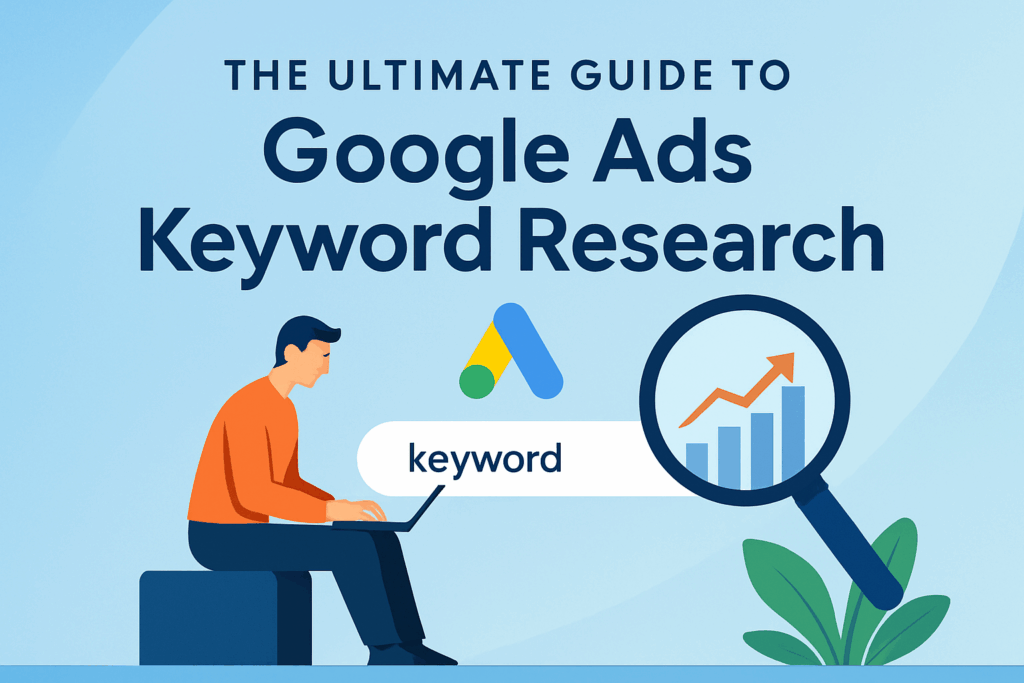
In the digital marketing world, Google Ads have become a cornerstone for online advertising. At the heart of a successful Google Ads campaign lies the art and science of keyword research, a process that is crucial for reaching the right audience and optimizing return on investment. But what exactly is keyword research, and why is it so essential? Simply put, keyword research involves identifying the words and phrases that potential customers use while searching for products or services like yours. It’s about understanding search intentions and competitors’ strategies to create ads that lead to conversions and brand awareness.
The importance of keyword research can hardly be overstated. Effective keyword research allows businesses to target specific demographics and drive traffic to their websites. Without it, marketing efforts can become aimless, wasting both time and money. Furthermore, with nuanced keyword strategy, you can boost your ad positioning, ensure better quality scores, and enhance the overall effectiveness of your campaigns. Let’s dive deep into the world of Google Ads keyword research, breaking down the complex into simple steps.
Understanding Search Intent
Search intent is the reason behind a user’s search query. It categorizes the motivations into informational, navigational, transactional, or commercial investigation. Recognizing search intent helps in crafting ads that are relevant and closely aligned with what users are genuinely interested in.
For instance, when a user types “best running shoes”, they might be in the research phase, meaning they are not yet ready to buy but are exploring options. However, a query like “buy Nike running shoes size 10” has a clear commercial intent, indicating the user is much closer to making a purchase.
By tailoring your Google Ads campaigns to match these intents, you can increase your chances of engagement and conversion. Crafting your ad copy and selecting the right landing pages becomes more strategic when you keep search intent in mind.
Choosing the Right Keywords
Choosing the right keywords involves striking a balance between relevance, search volume, and competition. Keywords should closely align with what the user is searching for, having a decent search volume to ensure significant reach, and facing manageable competition to facilitate better ad ranking.
Using tools like Google’s Keyword Planner, you can identify high-potential keywords. This tool not only suggests new keywords but also provides data on search volume and competition. An example could be a small local bakery considering keywords such as “artisan bread near me”, which are specific and local, rather than just “bread”, which might be too broad and competitive.
Always remember to analyze competitors. Understanding their keyword usage gives you an edge in differentiating your offering and perhaps capitalizing on gaps they have left open.
Keyword Match Types
Google Ads offer various keyword match types that define how closely a user’s query needs to match your keyword for your ad to appear. The match types include broad match, phrase match, exact match, and negative match.
Broad match triggers ads for a wide variety of similar terms and is useful for maximizing reach. For example, the term “running shoes” can match with “jogging shoe deals” or “sport footwear sales.” Phrase match restricts queries to phrases that include your keyword terms, so “stylish shoes for running” may trigger for the query “buy stylish shoes for running”. Exact match means the user’s search must be exact, limiting traffic but increasing specific relevancy.
Negative match is used to exclude searches irrelevant to your market. If you sell sports shoes, adding “women” as a negative keyword helps avoid clicks from people looking for women’s footwear if you only sell men’s options.
Utilizing Long-Tail Keywords
Long-tail keywords consist of three or more words and usually have lower search volume but higher conversion rates due to their specificity. They are often less competitive and can capture highly motivated audiences.
Consider the keyword “best organic low-sugar almond milk.” This suggests a buyer who knows precisely what they want, offering a strong indication of purchase intent. Implementing long-tail keywords can significantly enhance your targeting precision and budget efficiency.
- Higher conversion rates due to specificity
- Less competition in the ad auction
- Improved quality score with relevant ad copy
By focusing on such specific terms, advertisers can better tailor their campaigns to meet particular user needs, reaching niche markets that broader terms might miss.
Analyzing and Adapting to Competition
Keeping an eye on competitor keywords provides valuable insights into market positioning and strategy. Tools like SEMrush and Ahrefs offer competitive analysis features that unveil the keywords your competitors are ranking for, allowing you to align your campaigns accordingly.
A real-world example could involve a travel agency observing competitors’ keyword strategies around “discounted holiday packages.” By understanding the offers and keywords competitors are focusing on, the agency can adjust its keyword and ad strategy to highlight unique selling points, such as exclusive destinations or complementary services.
It’s also beneficial to assess the performance of your keywords regularly, discarding those that underperform and bolstering ones showing promise.
Optimizing with Ad Extensions and Quality Scores
Ad extensions enhance your ads by providing additional information and improving visibility and click-through rates. There are various types of ad extensions, including sitelinks, callouts, and structured snippets, which can be effectively paired with your keyword strategy.
Quality Score, a fundamental component of Google Ads, measures the relevance of your ads concerning the keywords and landing pages. A high Quality Score indicates greater ad relevance and results in better ad positions and reduced costs per click.
For example, a local pet grooming service using the keyword “affordable dog grooming” can add extensions like customer reviews and offers to showcase value while enhancing keyword alignment through site and ad copy adjustments.
Leveraging Data for Continuous Improvement
The world of Google Ads is not static; it’s essential to keep evolving your strategies based on performance data. Regular analysis of metrics such as click-through rates, conversion rates, and Quality Scores will provide guidance on where adjustments are necessary.
| Metric | Importance |
|---|---|
| Click-Through Rate (CTR) | Measures ad effectiveness and engagement |
| Conversion Rate | Indicates successful goal completion |
| Quality Score | Impacts ad ranking and cost-effectiveness |
Through consistent monitoring, advertisers can refine targeting and ad copy, ensuring that campaigns remain aligned with user behavior and market trends.
The Evolution of Google Ads Keyword Strategy
Password Protect: As Google’s algorithms become more sophisticated, keyword strategy is shifting to encompass voice search, semantic search, and AI-driven personalizations. Marketers must evolve to include conversational language and question-based queries, reflecting how users interact with search technology today.
For instance, with the rise in voice-activated devices, consider keywords like “Where can I find the best curry near me?”
Embracing these technologies requires forward-thinking strategies that enhance user experience and improve ad performance in an ever-dynamic digital landscape.
Conclusively
Effective keyword research for Google Ads stands as a critical pillar supporting the success of digital campaigns. By understanding search intent, choosing the right keywords, employing various match types, and adapting to competition, businesses achieve increased relevancy and conversion. Utilizing long-tail keywords boosts specificity, while ad extensions and quality scores improve visibility and effectiveness.
Regular analysis of performance metrics guides continual improvement in strategies, while evolving Google Ads strategies encompass emerging trends and technologies. For die-hard advertisers, embarking on mastering Google Ads keyword research represents a journey of learning, adaptation, and ultimately, business growth.
If you haven’t yet, start experimenting with your own keyword research. Utilize the insights discussed to refine your Google Ads strategies today for better results tomorrow. Analyze, adapt, and persist towards achieving unparalleled success in the realm of digital advertising.
Frequently Asked Questions
1. What is Google Ads keyword research and why is it important?
Google Ads keyword research is the process of discovering and analyzing the search terms that people use when looking for services or products similar to what you offer. This is vital because it helps determine which keywords to target in your Google Ads campaign to reach your desired audience effectively. By knowing what terms potential customers are searching for, businesses can tailor their ads to improve relevance and engagement. This not only boosts the visibility of the ad campaign but also enhances the chances of attracting more qualified leads and increasing conversions.
Keyword research is the backbone of a successful Google Ads strategy because it assists in understanding consumer behavior and intent. It allows marketers to uncover the popularity of search terms and gauge the level of competition. With this knowledge, they can strategically select keywords that balance search volume and competition, ensuring their ads stand out without overspending their budget.
2. How do I start with keyword research for Google Ads?
To commence keyword research for Google Ads, begin by brainstorming a list of relevant topics related to your business. Consider the main categories of products or services you offer and think about what someone might search for when interested in these offerings. From there, expand each category into specific keywords or phrases using tools like Google’s Keyword Planner. This tool is invaluable as it provides insights into the search volume, competition, and suggested bid estimates for different keywords.
Consider exploring keyword variations, including long-tail keywords, which are more specific phrases that often carry lower competition levels. These can attract more targeted traffic to your site. It’s also helpful to study competitors’ keyword strategies by observing the keywords they rank for. Furthermore, keep an eye on current trends and popular topics in your industry, as these can influence the keywords that users are searching for.
3. What are negative keywords and how can they benefit my campaign?
Negative keywords are words or phrases that you specify in your Google Ads account to prevent your ads from displaying when those terms are searched. This helps filter out traffic that is unlikely to convert, thereby optimizing your ad spend and improving the overall effectiveness of your campaign. For instance, if you sell premium gardening tools, you might add “free” or “cheap” as negative keywords, so your ads don’t appear to users looking for bargain or free options.
By using negative keywords, you enhance your ability to reach the most relevant audience while reducing wasted spend on clicks that don’t align with your business goals. This can significantly improve ad performance metrics such as click-through rate (CTR), conversion rates, and return on ad spend (ROAS), as you’ll be targeting users more likely to convert.
4. How often should I review and update my keyword list?
Regularly reviewing and updating your keyword list is crucial for maintaining a successful Google Ads campaign. It is recommended to assess your keyword performance at least once a month. This entails analyzing how each keyword is contributing to your campaign goals, adjusting bids as necessary, and identifying new keyword opportunities.
However, the frequency of your reviews may depend on the competitiveness of your industry and changes in consumer behavior or market trends. Be attentive to seasonal changes and emerging trends that might affect search patterns. Additionally, it’s important to monitor the performance of new keywords and exclude or adjust underperforming ones. Constantly refining your keyword strategy ensures your campaigns remain aligned with your audience’s interests and the evolving digital landscape.
5. What are some effective tools for conducting Google Ads keyword research?
Several tools can assist in conducting effective Google Ads keyword research. Google’s own Keyword Planner is a prominent choice, offering insights into keyword search volume, trends, and competitive data. It allows for the exploration of keyword ideas based on a product or service, helping marketers identify potential keywords to target.
Other powerful tools include SEMrush and Ahrefs, which offer comprehensive keyword analysis and competitive research features. These tools provide information about keyword difficulty, related keywords, and even competitors’ ad strategies, giving a well-rounded view of potential opportunities.
Additionally, the use of Google Trends can inform marketers about the popularity of specific search queries over time, allowing them to capitalize on seasonal trends. Using a combination of these tools can enhance the depth and accuracy of your keyword research, ensuring your Google Ads campaigns are both competitive and effective.