Introduction to PPC Strategies
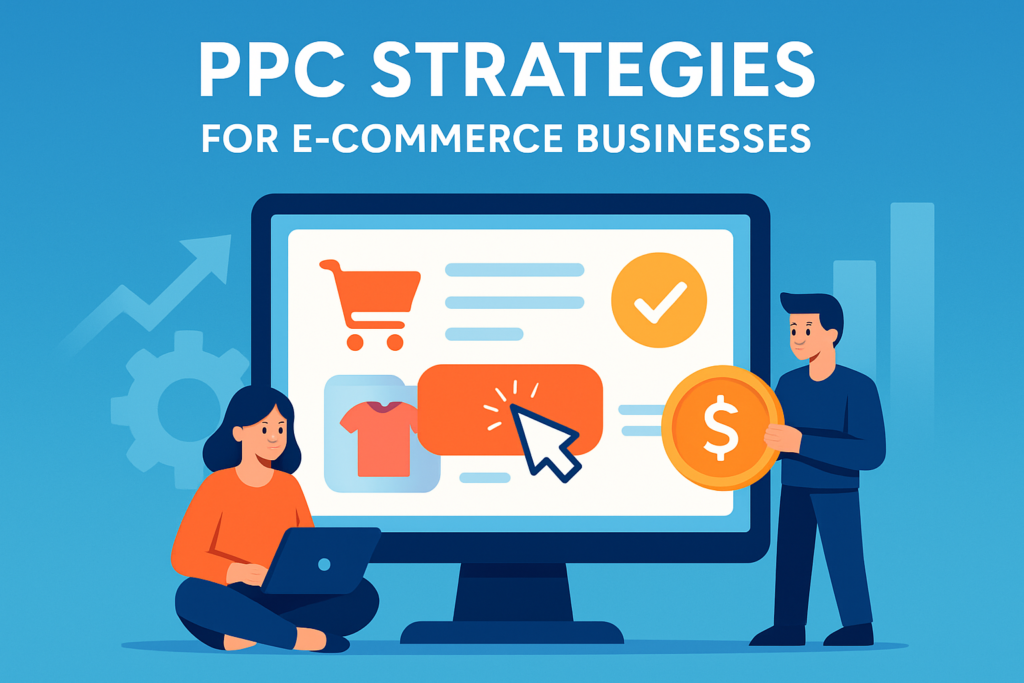
In the dynamic world of e-commerce, businesses constantly seek effective methods to enhance visibility, attract the right audiences, and ultimately, drive sales. Pay-per-click (PPC) advertising emerges as a potent tool, as it allows businesses to reach targeted audiences through paid advertisements on platforms such as Google Ads and social media channels. But what exactly is PPC, and why does it matter so much to e-commerce businesses?
PPC, or Pay-Per-Click advertising, is a model where advertisers pay a fee each time their ad is clicked. It’s a way of buying visits to your site, rather than attempting to “earn” those visits organically. For e-commerce businesses, PPC is paramount because it not only helps in driving immediate traffic but also provides measurable ROI through precise targeting options.
When executed with precision, PPC can propel e-commerce businesses into successful online enterprises. It enables businesses to position themselves in front of potential customers actively searching for similar products or services, making it a critical component of any digital marketing strategy. By leveraging PPC, e-commerce businesses increase their chances of conversions, grow their customer base, and scale their revenues significantly.
Setting Up Effective PPC Campaigns
Creating a successful PPC campaign requires a strategic approach. The first step is establishing clear and concise goals. These could range from increasing website traffic to boosting product sales and improving brand visibility. For instance, an online clothing store may set a goal to increase its monthly sales by 20% using PPC campaigns.
Conducting thorough keyword research is essential. Tools like Google Keyword Planner enable advertisers to discover relevant keywords that potential customers are searching for. Selecting high-value keywords that align with your business\’s objectives will increase the likelihood of attracting the ideal audience.
Moreover, designing compelling ad copy is pivotal. Craft your messaging to highlight unique selling points and directly addresses the customer\’s need. An ad promising a “50% off on all summer wear until this weekend!” can entice users to click and explore your offerings.
Finally, setting up proper tracking and analytics is indispensable. Utilizing tools such as Google Analytics helps monitor the campaign\’s performance in terms of clicks, conversions, and sales. This enables ad managers to refine campaigns and improve performance continually.
Real-World Example: Successfully Utilizing PPC
Consider the case of Rockabilia, an e-commerce store offering rock band merchandise. By engaging LSEO, they leveraged PPC strategies to amplify their online visibility and sales. Rockabilia focused on targeted keyword groups associated with prominent rock bands, along with precise demographic targeting. With a strategically designed PPC campaign, they saw a remarkable increase in traffic and consequently sales, proving the effectiveness of tailored PPC campaigns tailored for e-commerce.
Optimizing PPC Campaigns for Better ROI
Optimization is a continuous process and fundamental for maximizing returns on PPC investments. One of the essential techniques is Ad Testing, also known as A/B testing. By creating multiple ad copies with variances in elements such as headlines or call-to-action phrases, advertisers can determine which plays out best in terms of engagement and conversions.
Balancing bidding strategies is another key. Automated bidding strategies can help achieve optimal ad placement at effective costs. Moreover, investing in remarketing campaigns targets previous visitors or interacts with your webpage without completing a purchase, increasing the chance of conversion.
Case Study: Remarketing Success
LSEO\’s assistance with the Ring Doorbell advertising campaign is an example of strategic remarketing. By utilizing PPC Remarketing Techniques, they re-engaged previous visitors who showed initial interest in the product. Through targeted ads that appeared on different websites after their first site visit, they succeeded in converting these visitors to customers, showcasing the potential of PPC remarketing.
The Role of PPC in Performance Branding
PPC is not just an advertising tool; it is an integral component of performance branding. This involves not only driving clicks and conversions but building a brand that resonates with consumers. With performance branding, PPC campaigns are crafted to instill brand consistency and value in every message that reaches potential customers.
A successful strategy involves aligning PPC campaigns with the overall brand tone, aesthetic, and mission. For instance, if your brand values sustainability, your PPC ads can highlight eco-friendly product attributes or sourcing methods. Such alignment boosts brand recognition and customer trust.
Furthermore, Performance Branding is at the heart of what LSEO offers through their expertise in combining branding with digital strategies. This unique approach assists businesses in creating a resilient online presence coupled with quantifiable performance metrics.
Essential PPC Platforms for E-commerce
The digital landscape offers multiple platforms for e-commerce businesses to implement PPC strategies. Among the most popular are Google Ads, Meta Ads (Facebook), and LinkedIn Ads. Understanding which platform suits your business type and audience is crucial.
- Google Ads: Being the largest search engine, it enables comprehensive reach and offers tools for data-driven optimization, making it indispensable for any PPC campaign.
- Meta Ads (Facebook): Offers advanced targeting options based on user interests, demographic details, and online behavior, perfect for visually-driven content.
- LinkedIn Ads: Ideal for B2B e-commerce businesses as it offers opportunities to reach professionals and key decision-makers within specific industries.
Each platform has its unique attributes and provides analytics that helps businesses track and tweak campaigns to improve performance. Selecting the right platform and leveraging the comprehensive features aids in elevating e-commerce visibility and generating robust sales figures.
Challenges and Solutions in PPC E-commerce Advertising
Although PPC presents numerous opportunities, it also poses challenges, such as budget management, competition, and complexity in tracking conversions accurately. E-commerce businesses often juggle between maintaining a substantial PPC budget while contending with big brands spending aggressively on advertising.
One solution involves employing geo-targeting within your PPC campaigns, focusing on niche markets with less competition. Offering specialized products to geographic regions can enhance ROI by reducing cost per click in less saturated areas.
Another fundamental challenge is accurately attributing sales conversions to PPC efforts. Integrating Customer Journey Analytics assists e-commerce businesses in understanding how customers interact with different touchpoints before purchasing. This insightful understanding aids in refining strategies to achieve better outcomes.
Summary and Conclusion
Undoubtedly, PPC is an indispensable pillar in the ecosystem of e-commerce strategies. From establishing effective campaigns and optimizing them for high ROI, to employing branding and troubleshooting common challenges, businesses are empowered to reach new heights in the digital realm.
Consideration of strategic planning and execution not only reshapes immediate sales trajectories but assists in building a reputable brand image that customers can trust. Exploring the wealth of platforms and optimizing every aspect of the PPC process fortifies the e-commerce landscape for sustainable growth.
Are you ready to elevate your e-commerce business with effective PPC strategies? Discover how LSEO’s extensive experience and bespoke services can empower your growth by visiting our Paid Media Services page to explore our offerings.
Frequently Asked Questions
1. What is Pay-Per-Click (PPC) advertising, and how is it beneficial for e-commerce businesses?
PPC, or Pay-Per-Click advertising, is a robust digital marketing strategy where advertisers pay a fee each time one of their ads is clicked. It\’s a way of buying visits to your site, rather than attempting to \”earn\” those visits organically. When executed correctly, PPC can be incredibly advantageous for e-commerce businesses. These ads allow businesses to target specific demographics, locations, and even devices, delivering the right message to the right audience at the right time. The immediacy of PPC means that e-commerce businesses can increase their visibility and reach potential customers precisely when they are ready to make a purchase. An effective PPC campaign can drive significant traffic to your website, which, if optimized for conversions, can lead to increased sales.
For e-commerce businesses, using PPC can be more than just about clicks; it's about conversion and tracking measurable results. Many platforms, like Google Ads, offer detailed analytics to help you understand which ads were most effective, allowing you to refine your strategy and increase your ROI (return on investment). To enhance your e-commerce strategy, consider how SEO Services can complement your PPC efforts by increasing organic visibility. Learn more about our SEO Consulting services [here](https://lseo.comwp-content/uploads/2025/12/diyseo-image-1766073388-1.pngwp-content/uploads/2025/12/diyseo-image-1766073448-1.pngwp-content/uploads/2025/12/diyseo-image-1766073356-1.pngseo-services/seo-consulting/.
2. How can e-commerce businesses determine which PPC platform is the best fit for their products or services?
Choosing the right PPC platform is essential for any e-commerce business endeavoring to maximize impact. While Google Ads is the largest platform and offers extensive reach, other platforms like Facebook Ads, Instagram Ads, and Bing Ads may fit better based on the nature of the product and target audience. Each platform has unique strengths—for instance, Google Ads might be ideal for capturing intent-driven search traffic, whereas social media platforms like Facebook and Instagram are better for creating awareness and engaging visuals for products.
To determine the best fit, e-commerce businesses should consider factors such as audience demographics, the nature of their products, and how their target audience typically shops online. Tracking conversions across different platforms and analyzing the cost of clicks compared to conversion rates can provide insights into where your advertising dollars are most effectively spent. If you’re looking to maximize your campaign efficiency, our Google Ads Management Services offer detailed insights and strategic management. Find more information [here](https://lseo.comwp-content/uploads/2025/12/diyseo-image-1766073388-1.pngwp-content/uploads/2025/12/diyseo-image-1766073448-1.pngwp-content/uploads/2025/12/diyseo-image-1766073356-1.pnggoogle-ads-management/.
3. What are some essential tips for optimizing PPC campaigns for e-commerce websites?
Optimizing PPC campaigns involves several key strategies to ensure that your advertising budget is used most effectively to achieve high conversion rates. First and foremost, ensure your ad copy is compelling and resonates with your target audience. Incorporate strong keywords that correspond with your customers\’ search intent. Using A/B testing to experiment with different headlines, descriptions, and calls to action can provide valuable insights into what works best.
Landing page relevance is equally crucial; make sure the landing page offers what the ad promises. This will not only improve user experience but can also enhance your Quality Score on Google Ads, potentially lowering your cost-per-click. Another important tip is to regularly monitor and refine your keyword strategy, adding new relevant keywords and excluding negative ones that don't convert. Segmentation and tracking are also key; utilizing remarketing strategies to target users who have previously interacted with your site can significantly improve ROI. For a high-level approach to optimizing your ads using insights and actionable data, consider exploring our Paid Media Services [here](https://lseo.comwp-content/uploads/2025/12/diyseo-image-1766073388-1.pngwp-content/uploads/2025/12/diyseo-image-1766073448-1.pngwp-content/uploads/2025/12/diyseo-image-1766073356-1.pngpaid-media/.
4. How do e-commerce businesses measure the success of their PPC campaigns?
Measuring success in PPC campaigns involves analyzing various metrics that reflect both visibility and conversions. Click-through rate (CTR), conversion rate, cost per conversion, and return on ad spend (ROAS) are critical indicators of performance. CTR measures how effective your ads are at encouraging users to click, while conversion rate shows how many of those clicks turn into actual sales. These metrics help paint a picture of your ad\’s performance and its alignment with your business goals.
An effective PPC strategy includes setting clear goals so metrics can be evaluated against expected outcomes. Are you aiming for brand awareness, lead generation, or direct sales? Each goal may call for different measurement criteria. Generating comprehensive reports that track these metrics over time will offer insights into ongoing performance and highlight opportunities for strategic adjustments. To enhance your analytics capabilities, our team at LSEO specializes in performance branding and data-driven strategies to ensure optimized results, learn more about our Performance Branding services [here](https://lseo.comwp-content/uploads/2025/12/diyseo-image-1766073388-1.pngwp-content/uploads/2025/12/diyseo-image-1766073448-1.pngwp-content/uploads/2025/12/diyseo-image-1766073356-1.pngperformance-branding/.
5. What are common challenges e-commerce businesses face with PPC, and how can they overcome them?
E-commerce businesses often encounter several challenges within PPC campaigns, including budget constraints, competition, and keeping up with constantly evolving algorithms on platforms like Google and Facebook. Budget constraints can limit ad visibility and reach, which is why it\’s vital to prioritize ad placements and allocate budgets strategically toward high-performing keywords or campaigns. Analyzing market trends and competitor strategies can help position your ads more effectively in the competitive landscape.
Another common challenge is maintaining high ad relevance. If your ads are not closely aligned with user intent, it can lead to wasted spend and reduced conversion rates. Regularly updating and refining ad copy, experimenting with different formats, and continually testing new keywords can mitigate this issue. Understanding algorithm changes and adapting your strategy is essential; staying informed through industry news and working with experienced digital marketers can help navigate these changes with agility. By partnering with a knowledgeable agency like LSEO, e-commerce businesses can leverage expert strategies to overcome these challenges. Discover how we can support your digital growth with our robust range of SEO Services [here](https://lseo.comwp-content/uploads/2025/12/diyseo-image-1766073388-1.pngwp-content/uploads/2025/12/diyseo-image-1766073448-1.pngwp-content/uploads/2025/12/diyseo-image-1766073356-1.pngseo-services/.